
Electronics
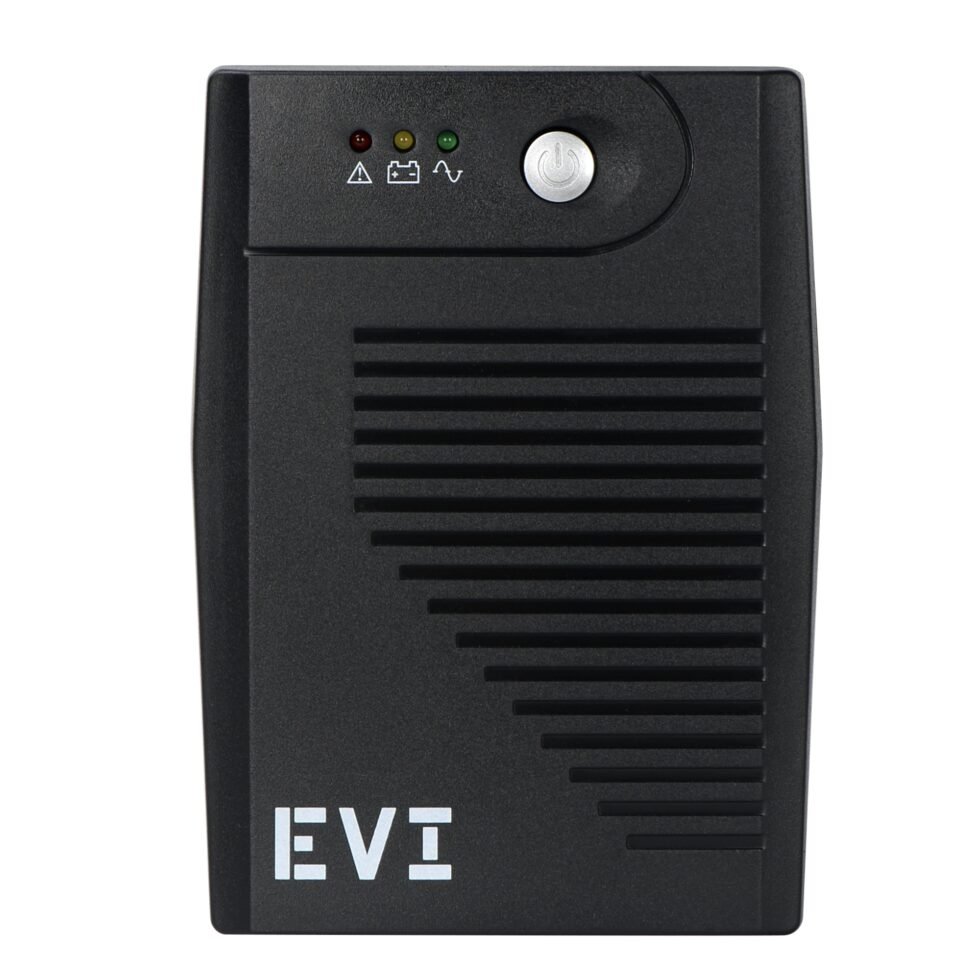
EVI Power UPS Runtime Testing Explained in Kenya
Jun
EVI Power UPS Runtime Testing Explained
EVI Power UPS runtime testing helps confirm how long a UPS can support connected equipment during a power outage. A UPS may appear normal during daily operation, but weak batteries, increased load or ageing components can reduce backup time without obvious warning signs.
Runtime testing is especially important for offices, CCTV systems, network cabinets, server rooms, telecom environments and business-critical power backup systems where unexpected shutdowns can cause downtime, data loss, security gaps or operational disruption.
If your UPS backup time has reduced, read our EVI Power UPS Battery Replacement Guide or explore our EVI Power UPS Power Backup Solutions in Kenya.
What Is UPS Runtime Testing?
UPS runtime testing is the process of checking how long a UPS can supply backup power to connected equipment under a defined load. The test helps verify whether the batteries, inverter and UPS system can still support the required backup duration.
Runtime testing can be done after battery replacement, during preventive maintenance, after adding new equipment, during commissioning or when the UPS backup time appears shorter than expected.
Why EVI Power UPS Runtime Testing Matters
UPS batteries lose capacity over time. As battery capacity reduces, runtime becomes shorter. If the connected load has also increased, the UPS may no longer provide enough backup time during a real outage.
Runtime testing helps identify this problem before failure happens. It gives businesses a more realistic understanding of actual backup performance instead of relying only on estimated runtime readings.
Runtime Testing Methods
| Testing Method | Purpose | Best For |
|---|---|---|
| Load Runtime Test | Measures backup duration under connected load. | Offices, CCTV systems and network cabinets. |
| Controlled Discharge Test | Checks battery discharge behavior under controlled conditions. | Server rooms and critical UPS systems. |
| Post-Battery-Replacement Test | Confirms new batteries support the required backup time. | UPS systems with newly replaced batteries. |
| Load Verification Test | Checks whether the connected load is suitable for the UPS. | Growing offices and upgraded IT environments. |
| Preventive Maintenance Test | Tracks runtime performance over time. | Business-critical UPS environments. |
How Load Affects UPS Runtime
The connected load has a direct effect on runtime. A UPS supporting a light load will usually provide longer backup time than the same UPS supporting a heavy load. This is why runtime should always be considered together with the total connected equipment.
| Load Level | Runtime Effect | Buying or Maintenance Advice |
|---|---|---|
| Light Load | Longer backup time | Suitable for routers, ONTs and small electronics. |
| Moderate Load | Balanced runtime | Common for office, POS and CCTV systems. |
| Heavy Load | Shorter backup time | Consider larger UPS capacity or reduced load. |
| Critical Load | Requires careful planning | Use online UPS systems and planned runtime testing. |
When Should You Test EVI Power UPS Runtime?
Runtime testing should be planned based on the importance of the protected load. Critical systems require more frequent verification than basic home or office backup setups.
| Situation | Why Testing Is Needed | Priority |
|---|---|---|
| After Battery Replacement | Confirms new batteries support the load. | High |
| After Adding New Equipment | Checks whether load growth has reduced runtime. | High |
| During Preventive Maintenance | Tracks battery performance over time. | Medium to High |
| After Runtime Complaints | Identifies weak batteries or overloaded UPS conditions. | High |
| Before Critical Deployment | Validates UPS readiness before use. | High |
Runtime Testing for Different UPS Environments
Different environments have different levels of risk. A home router backup UPS may only need basic functional checks, while a server room UPS requires more structured testing and maintenance planning.
Office UPS Runtime Testing
Confirms whether the UPS can support office computers, routers, printers and POS systems during power interruptions.
CCTV UPS Runtime Testing
Verifies backup time for DVRs, NVRs, PoE switches, cameras, routers and monitoring equipment.
Network Cabinet Runtime Testing
Checks runtime for switches, routers, firewalls, access points and structured network loads.
Server Room Runtime Testing
Validates backup time for servers, storage, switches and business-critical IT systems.
Signs That Runtime Testing Is Needed
- The UPS backup time has become shorter than expected.
- The UPS shuts down early during outages.
- Battery alarms appear frequently.
- New equipment has been added to the UPS load.
- Batteries were recently replaced.
- The UPS protects servers, CCTV or network equipment.
- The UPS has not been tested for a long time.
Runtime Testing vs Battery Testing
Runtime testing and battery testing are closely related, but they are not the same. Battery testing checks the condition and performance of the battery system, while runtime testing confirms how long the UPS can support the connected load.
A battery may appear charged, but runtime testing helps confirm whether it can actually perform under load. This is why runtime testing is a practical method for verifying real backup performance.
Common Mistakes During Runtime Testing
- Testing without understanding the connected load.
- Testing critical systems without a safe plan.
- Assuming new batteries do not require verification.
- Ignoring runtime changes after adding equipment.
- Failing to record test results for future comparison.
- Testing only when a failure has already occurred.
Frequently Asked Questions
What is EVI Power UPS runtime testing?
It is the process of checking how long an EVI Power UPS can support connected equipment during a power outage under a defined load.
When should UPS runtime be tested?
Runtime should be tested after battery replacement, after adding new equipment, during preventive maintenance and whenever backup time appears reduced.
Is runtime testing the same as battery testing?
No. Battery testing checks battery condition, while runtime testing verifies actual backup time under load.
Can runtime testing damage the UPS?
When performed correctly and safely, runtime testing is a controlled procedure. Critical systems should be tested carefully to avoid unnecessary downtime.
Why does UPS runtime reduce over time?
Runtime reduces because batteries age, loads increase, temperatures affect battery performance and battery capacity degrades over time.
Verify EVI Power UPS Runtime and Battery Performance
Rapidtech Networks Limited provides EVI Power UPS runtime testing, battery performance testing, battery replacement support and preventive maintenance for offices, CCTV systems, network cabinets, server rooms and business-critical UPS environments across Kenya.
Explore our EVI Power UPS Systems in Kenya, visit the EVI Power Online Store in Kenya, or learn more about EVI Power UPS Power Backup Solutions in Kenya.
Contact Rapidtech Networks Limited today for EVI Power UPS runtime testing, battery testing and technical support in Kenya.
