
Fiber Optic Equipment
Buy Fiber Optic Networking Equipment – Best Price Online in Nairobi, Kenya
Buy fiber optic equipment in Kenya from Rapidtech Networks Limited. We supply fiber optic networking products for internet service providers (ISPs), telecommunications contractors, FTTH installations, data centres, enterprise networks and structured cabling projects. Our range includes fiber optic cables, patch cords, pigtails, optical transceivers, distribution accessories, OLT and ONT equipment, fusion splicing machines and fiber testing tools.
Whether you are building a residential fiber network, extending a business backbone, deploying passive optical network infrastructure or maintaining an existing installation, we help you compare suitable products based on fiber type, connector compatibility, optical loss budgets, transmission requirements, installation environment and project specifications.
Looking for Fiber Optic Equipment for Your Network Project?
Our team can assist with product selection for FTTH deployments, ISP infrastructure, optical distribution, fiber termination, splicing and network expansion. Choose equipment according to your network architecture, optical specifications and installation requirements.
Explore our EPON OLT Equipment, GPON OLT Equipment and wider Networking Equipment in Kenya range.
Browse our fiber optic networking products below to compare available cables, connectors, patching accessories, optical transceivers, splicing equipment and distribution hardware. We supply fiber optic products for residential, commercial, institutional and telecommunications projects throughout Kenya.
-
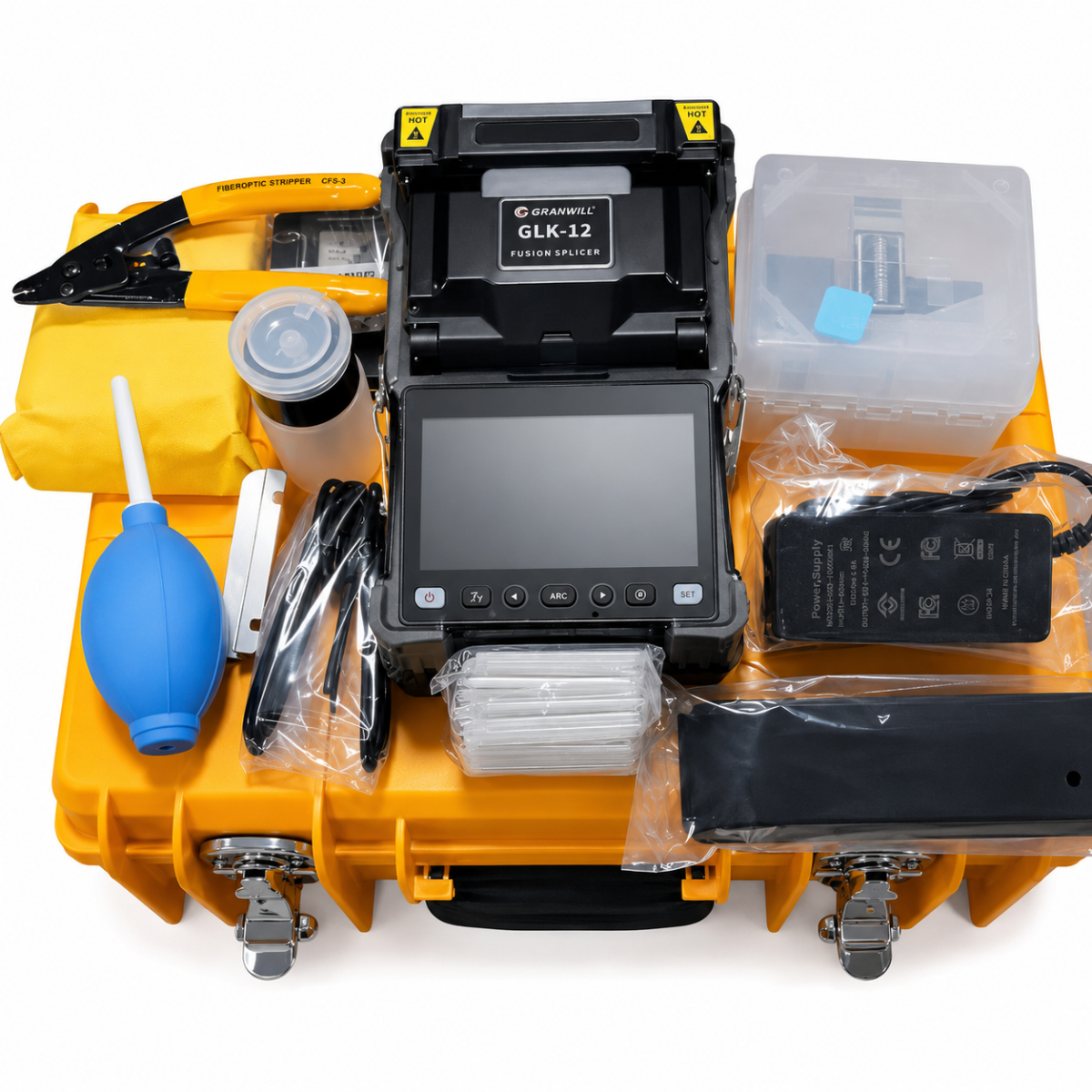
Fiber Optic Splicing Machines in Kenya
Grandlink KSh80,000 Excl. VATCountrywide DeliveryAdd to cart -
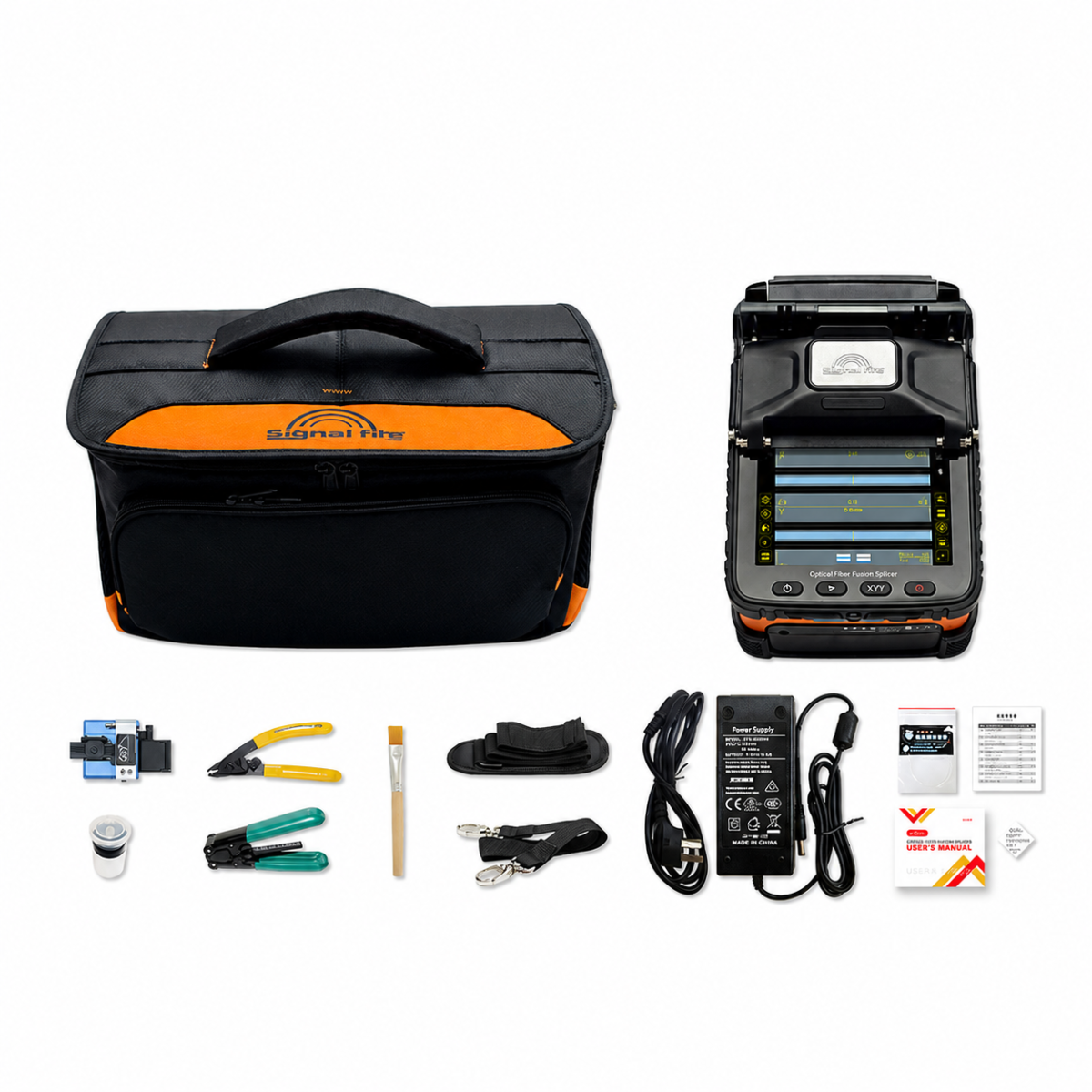
Fiber Optic Splicing Machines in Kenya
Signal Fire KSh75,000 Excl. VATCountrywide DeliveryAdd to cart -
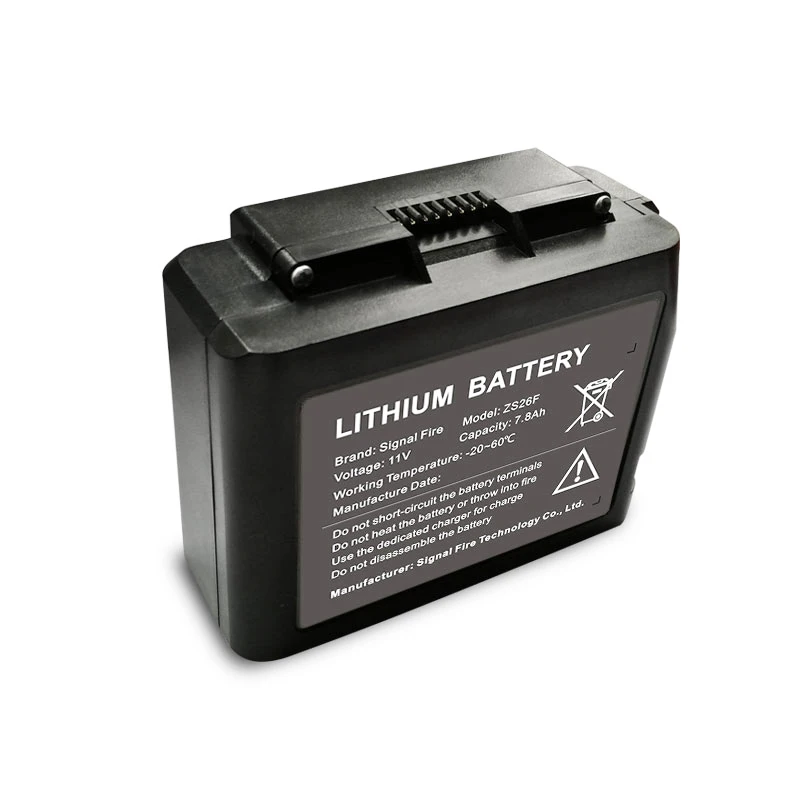
Fiber Optic Splicing Machines in Kenya
Signal Fire KSh16,500 Excl. VATCountrywide DeliveryAdd to cart -
Fiber Optic Splicing Machines in Kenya
Signal Fire Original price was: KSh7,000.KSh6,000Current price is: KSh6,000. Excl. VATCountrywide DeliveryAdd to cart -
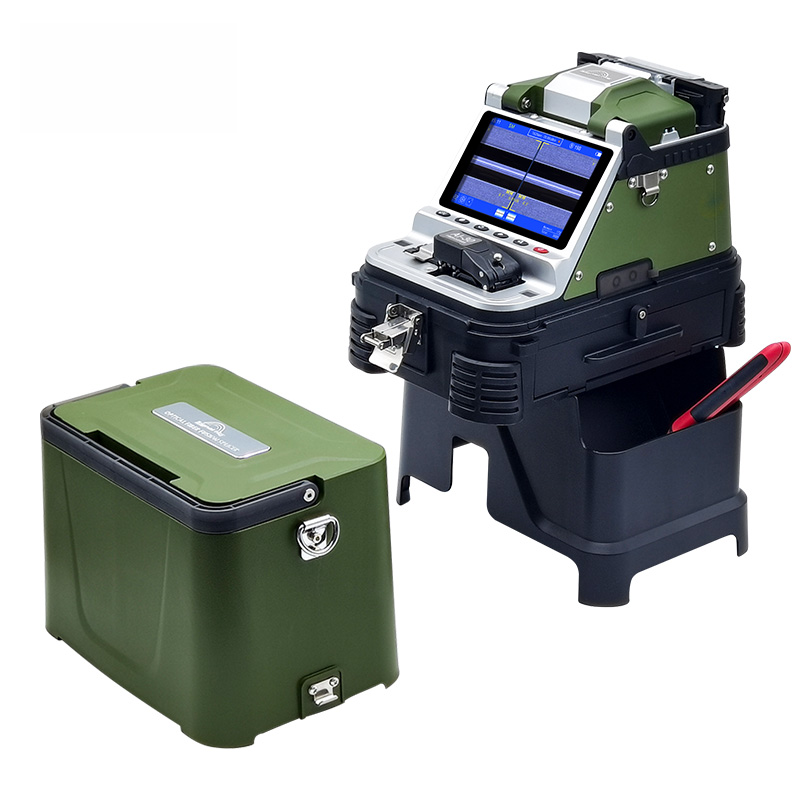
Fiber Optic Splicing Machines in Kenya
Signal Fire KSh250,000 Excl. VATCountrywide DeliveryAdd to cart -
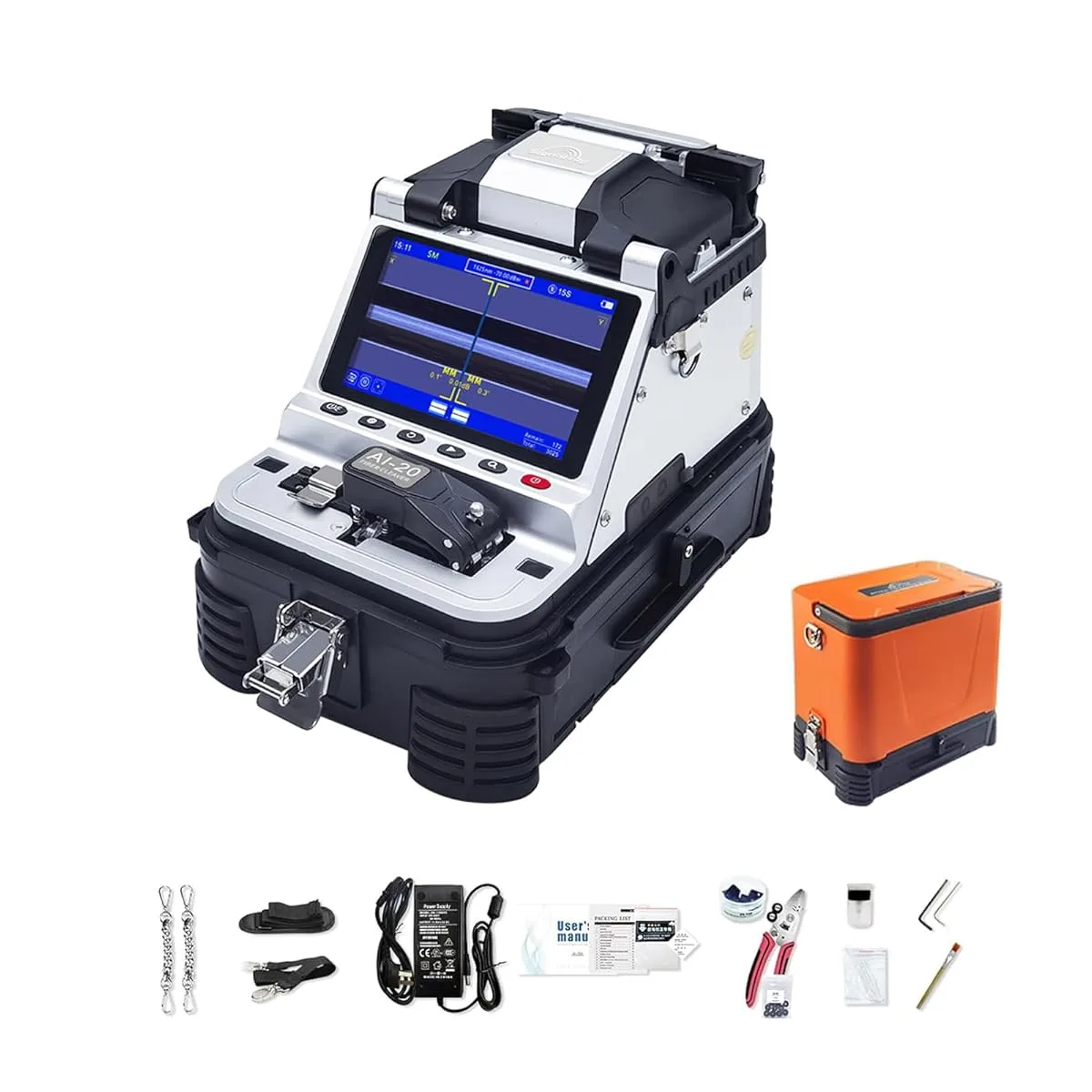
Fiber Optic Splicing Machines in Kenya
Signal Fire KSh220,000 Excl. VATCountrywide DeliveryAdd to cart -
Fiber Optic Splicing Machines in Kenya
Signal Fire KSh160,000 Excl. VATCountrywide DeliveryAdd to cart -
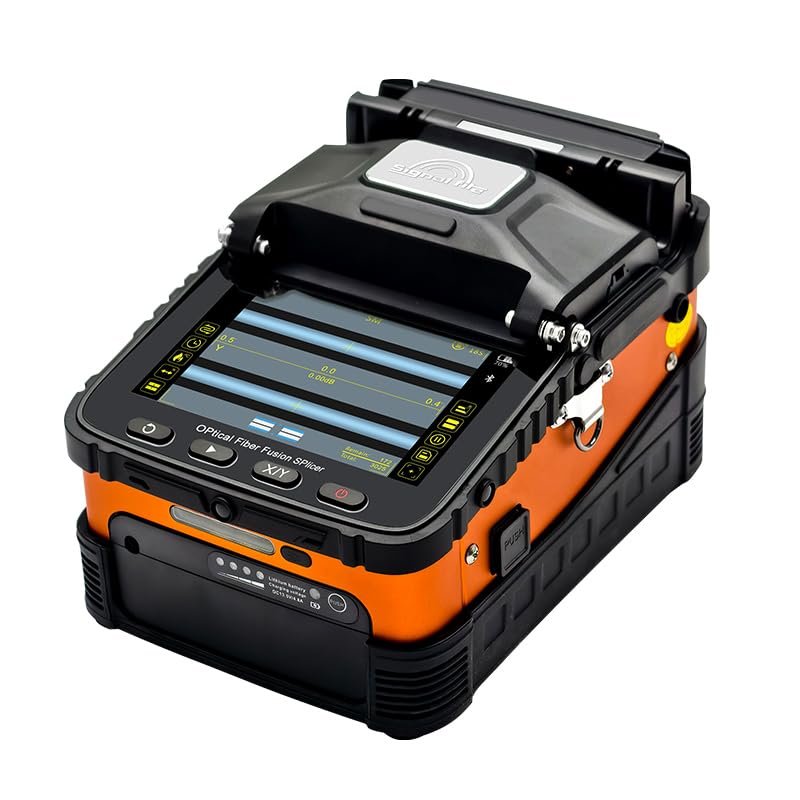
Fiber Optic Splicing Machines in Kenya
Signal Fire KSh70,000 Excl. VATCountrywide DeliveryAdd to cart -
Fiber Optic Splicing Machines in Kenya
Signal Fire Original price was: KSh80,000.KSh75,000Current price is: KSh75,000. Excl. VATCountrywide DeliveryAdd to cart -
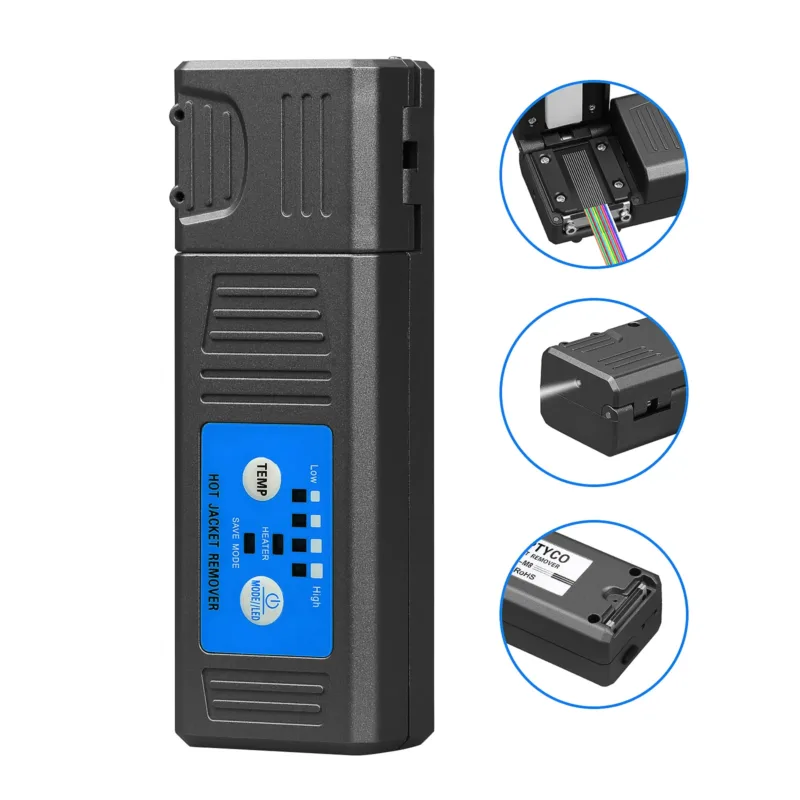
-
-
-
-
-
-
-
-
-
-

-

-
-

-
-
-
-
-
-
-
-
-
-
-
-

-
-
-
-
-






Showing 1–40 of 81 resultsSorted by latest
Fiber Optic Networking Equipment Buying Guide in Kenya
Fiber optic networking equipment is used to transmit, distribute, terminate and test optical connections in FTTH networks, ISP infrastructure, data centres and enterprise installations. Selecting suitable equipment requires an understanding of fiber standards, connector types, network architecture, transmission distances and installation conditions.
Before purchasing, establish the intended application, supported optical technology, required fiber count, connector configuration and equipment compatibility. Consider the optical power budget, environmental requirements, future expansion and maintenance needs.
Types of Fiber Optic Equipment Available in Kenya
Fiber Optic Cables
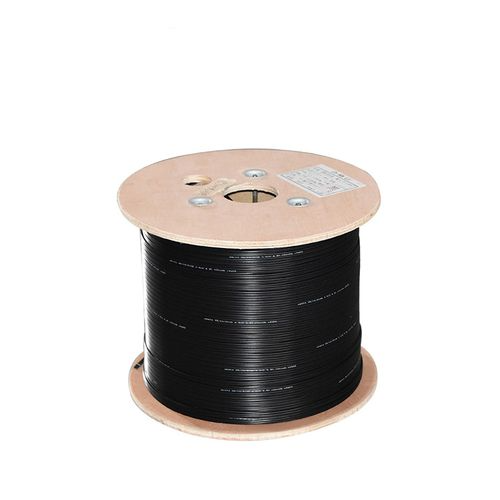
Single-mode and multimode cables for FTTH, enterprise backbone, campus and telecommunications installations. Choose suitable indoor, outdoor, aerial or drop cable construction according to the project.
OLT & ONT Equipment
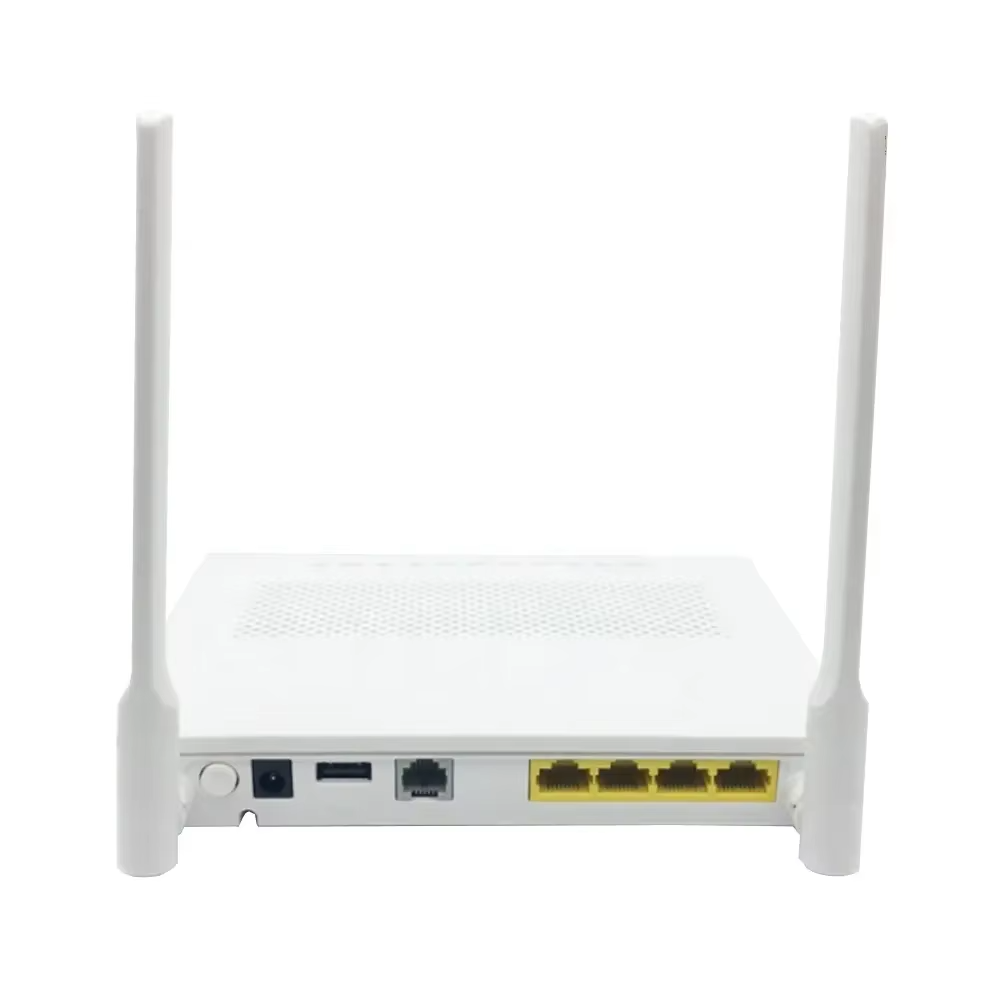
Optical Line Terminals and compatible customer optical terminals for passive optical access networks. Confirm the required GPON or EPON standard, provisioning requirements and device interoperability.
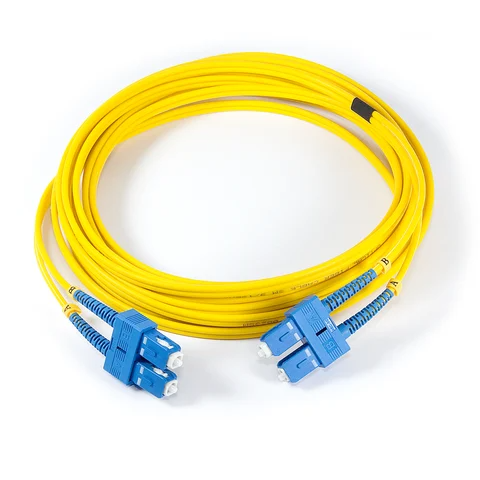
Fiber Optic Patch Cords & Pigtails
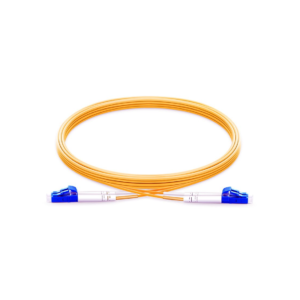
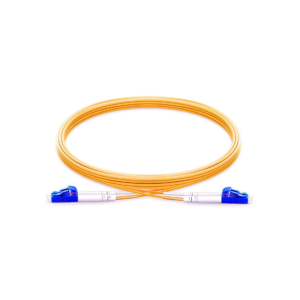
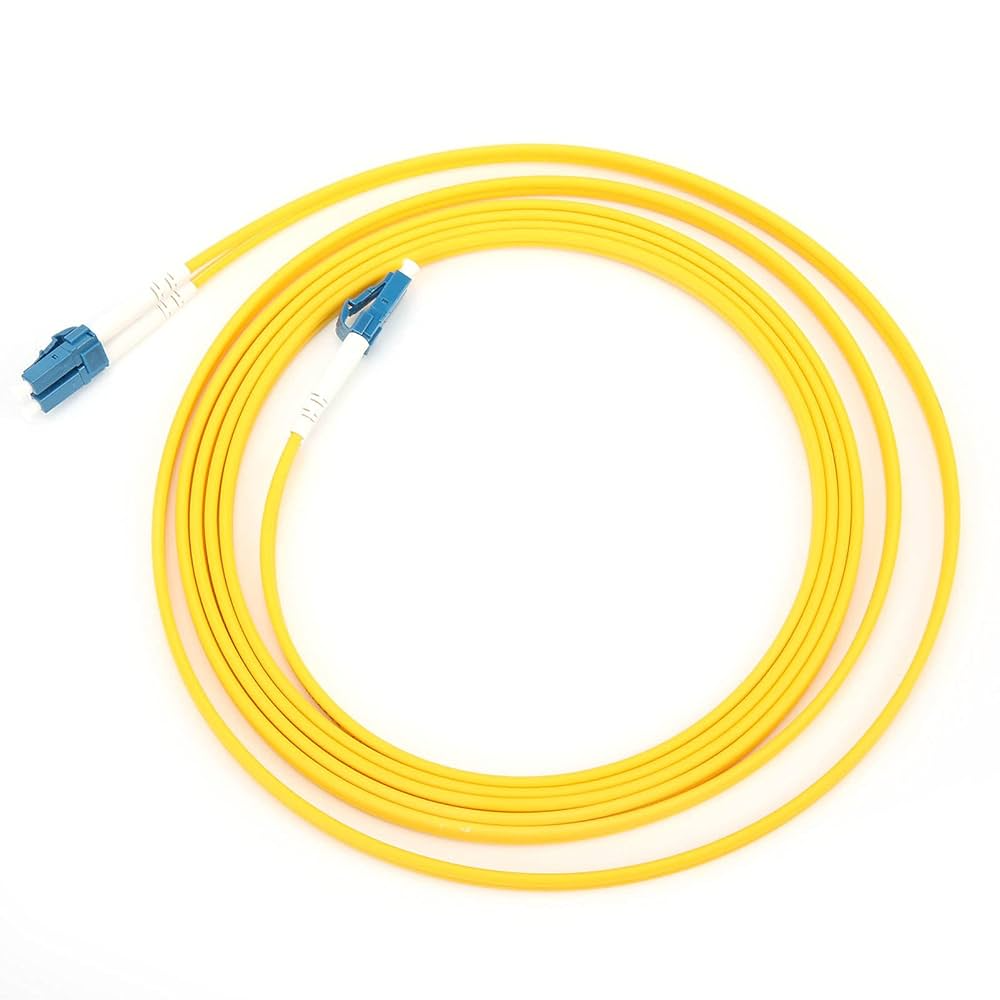
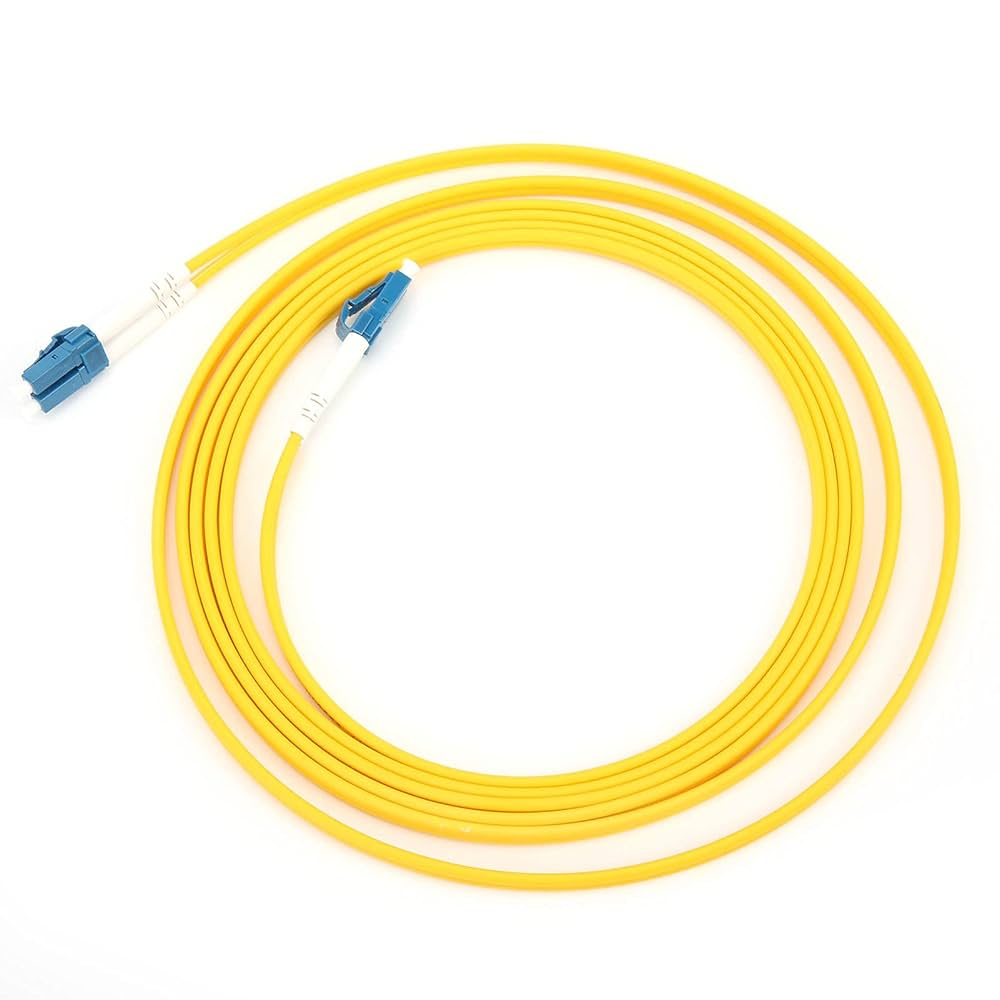
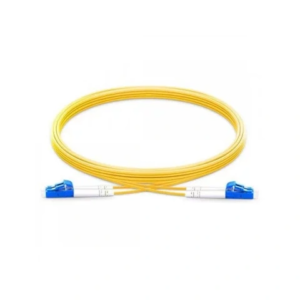
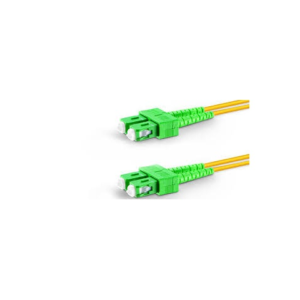
Optical connections for network equipment, patch panels and distribution frames. Available configurations may include SC, LC and other connector types with suitable UPC or APC polishing.
Fusion Splicing Machines
Equipment used to join prepared optical fibers during network installation, maintenance and repairs. Compare alignment technology, supported fiber types, battery capacity and accessories.
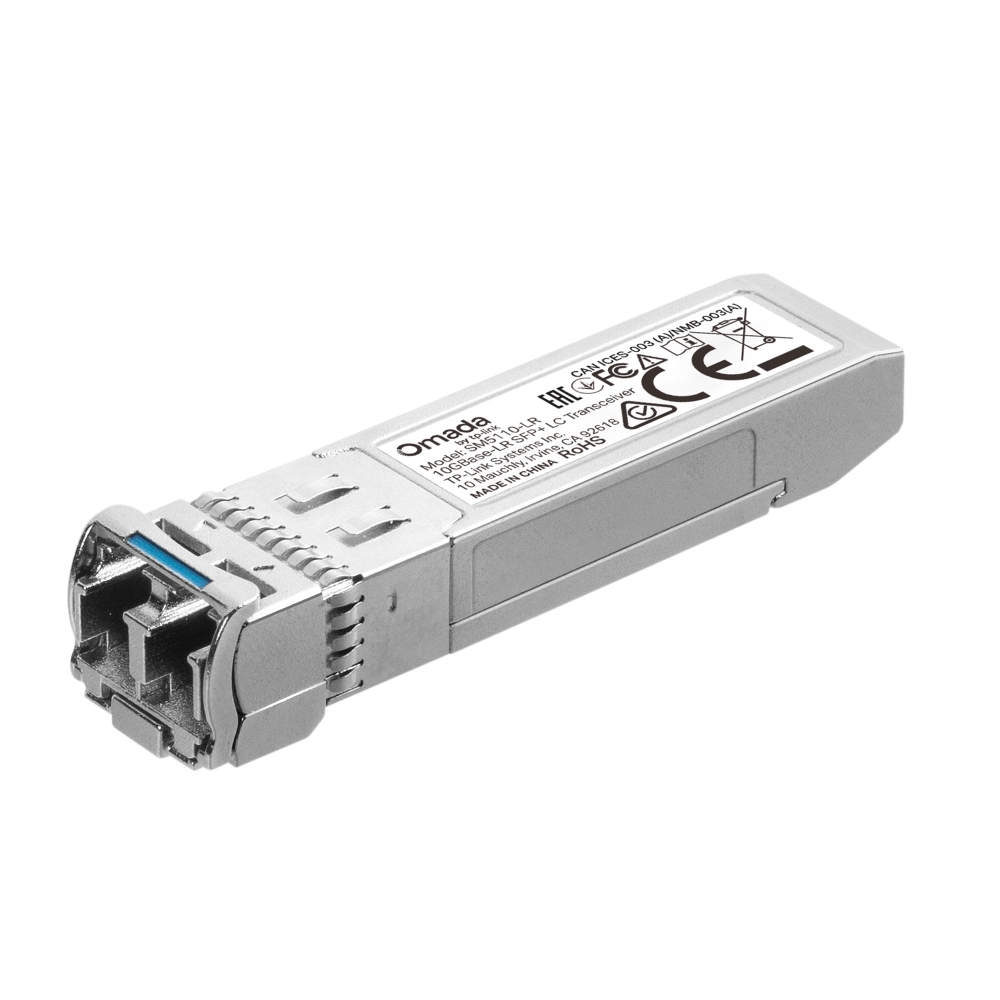
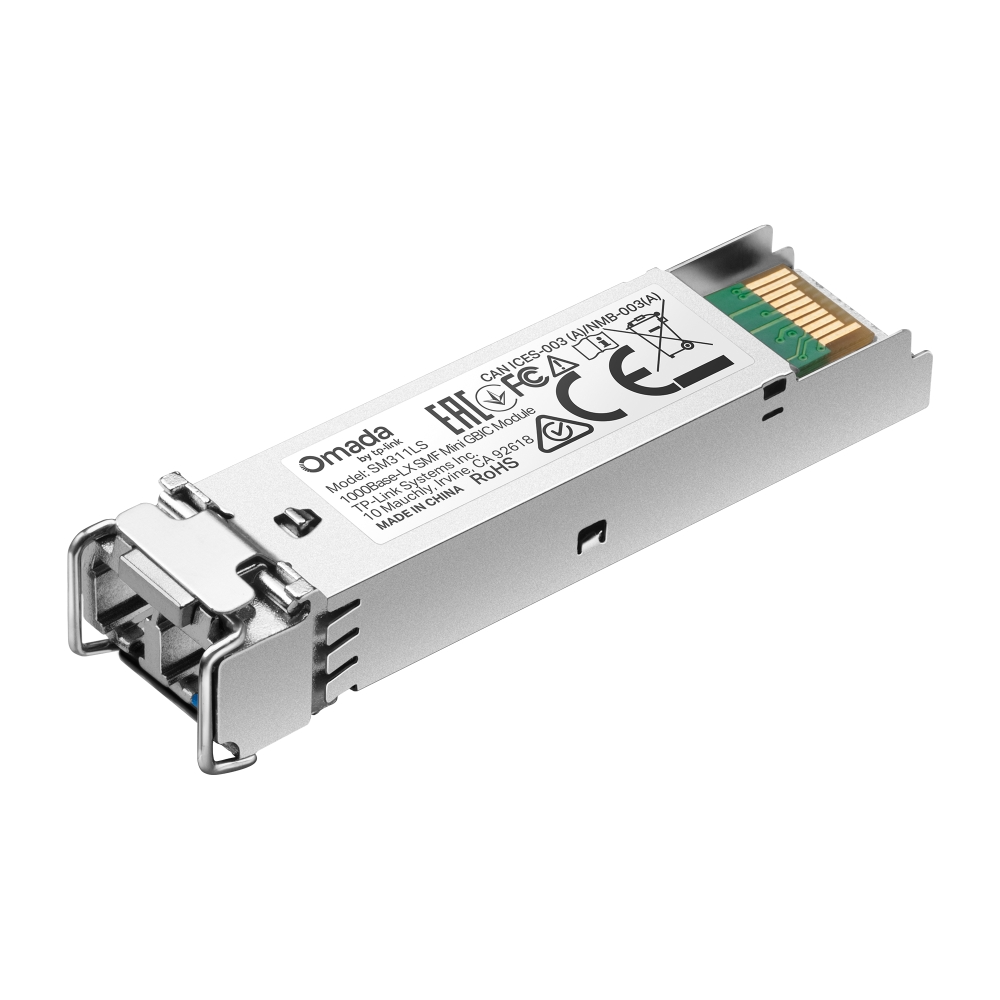
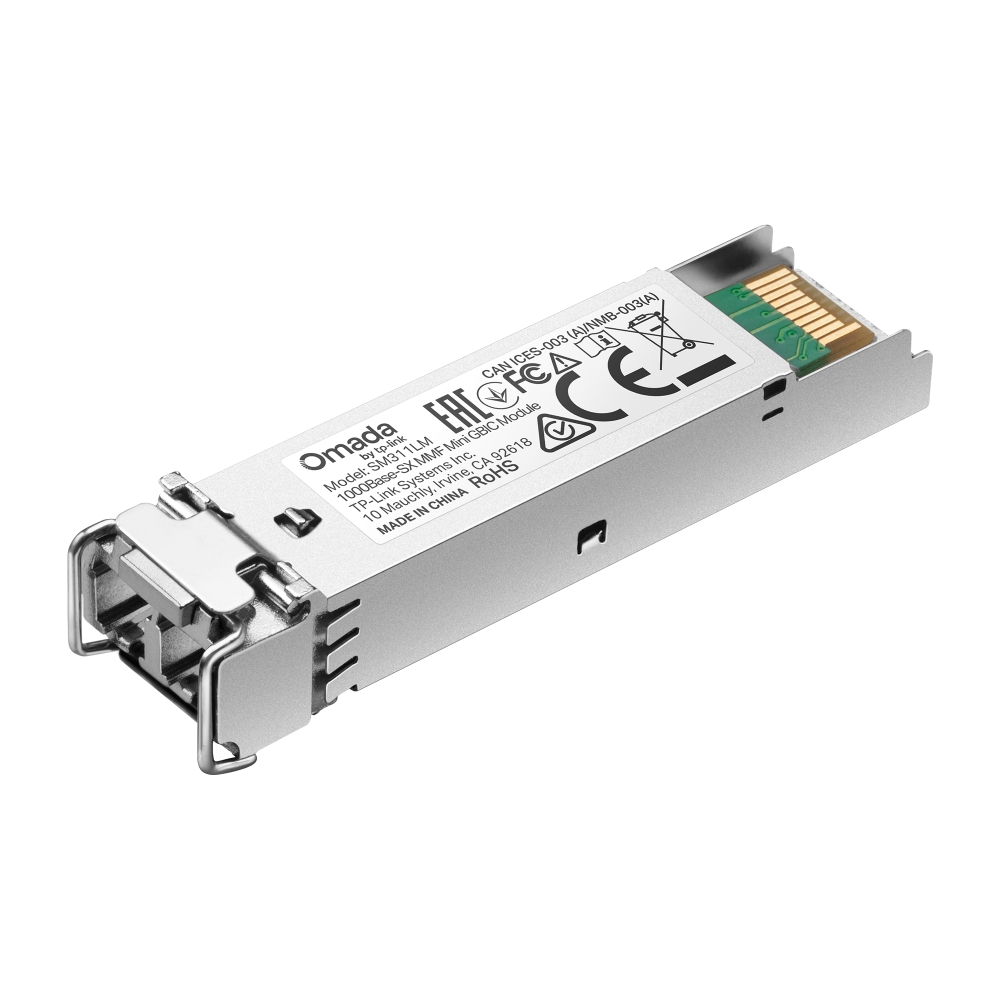
SFP & SFP+ Optical Transceivers
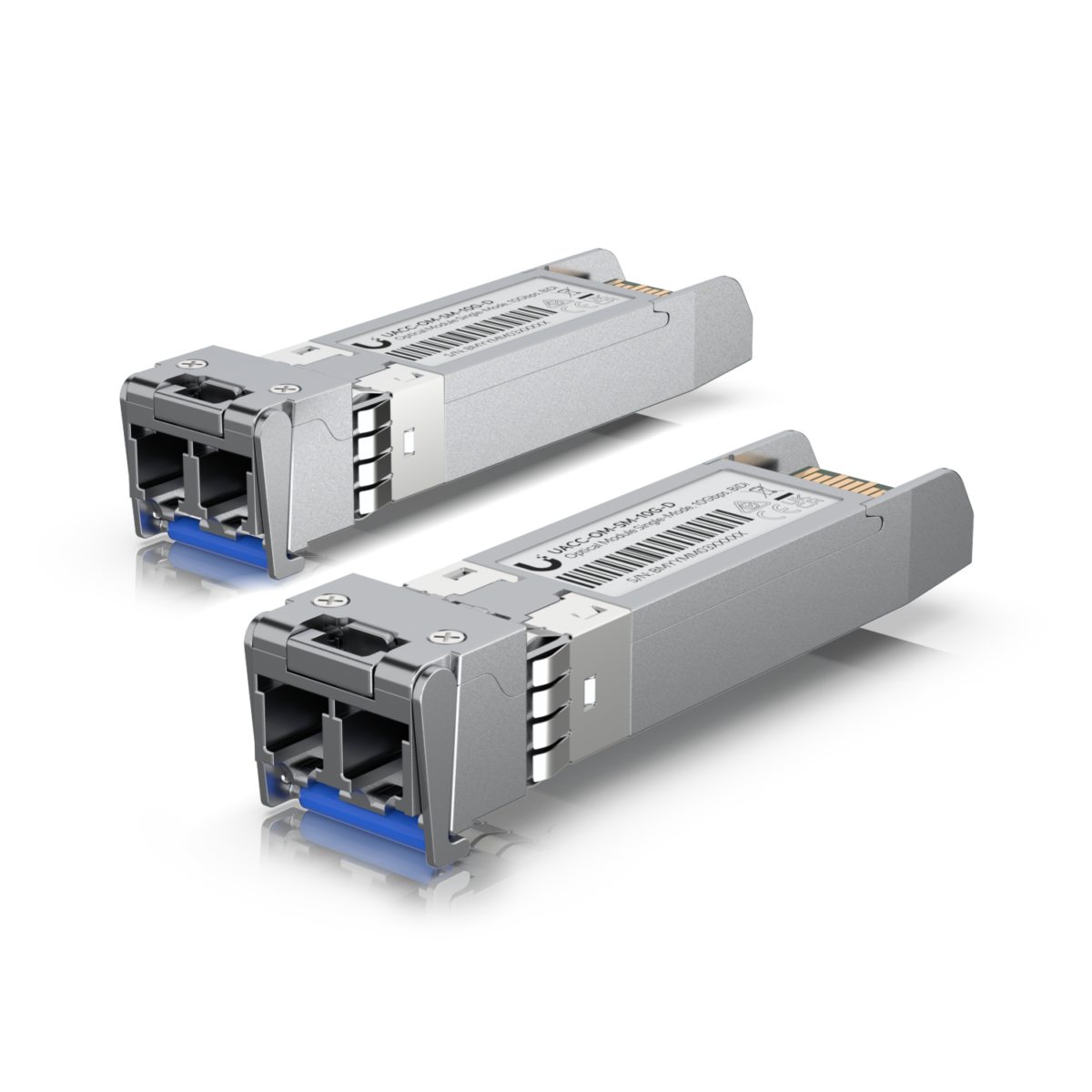
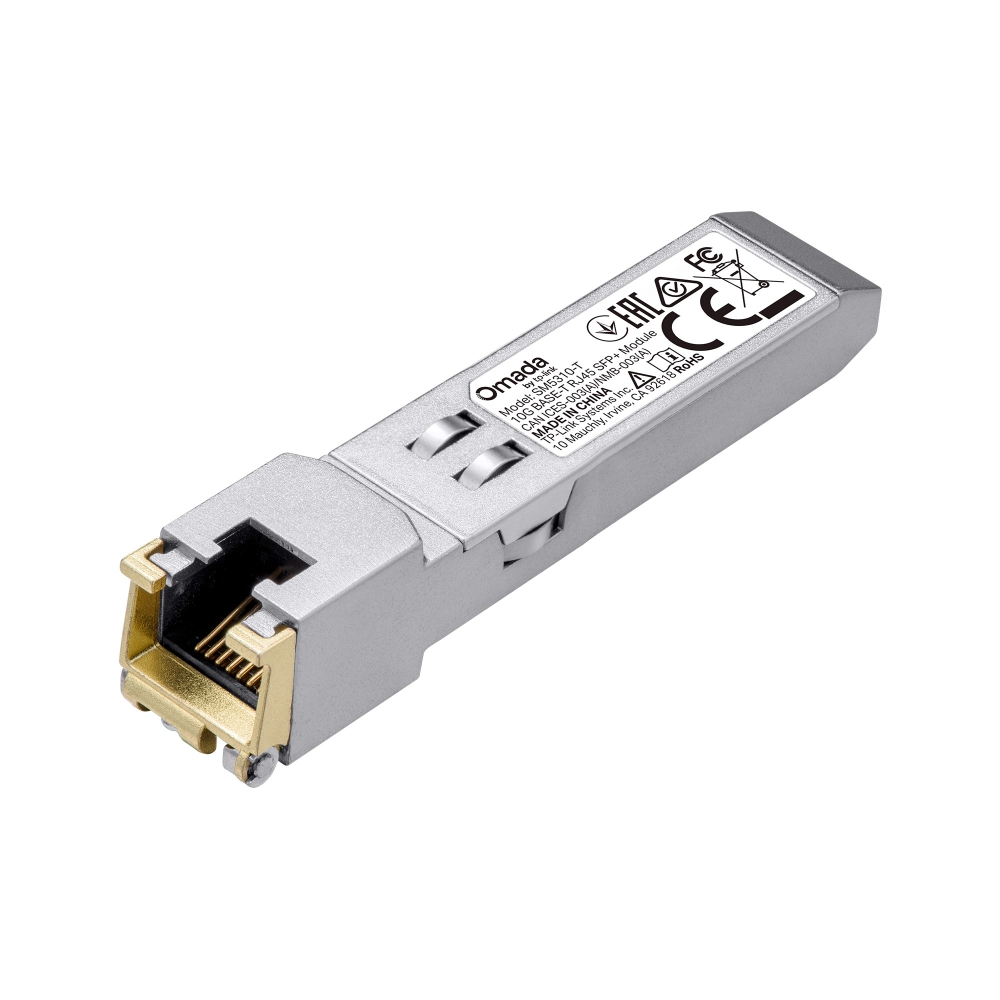
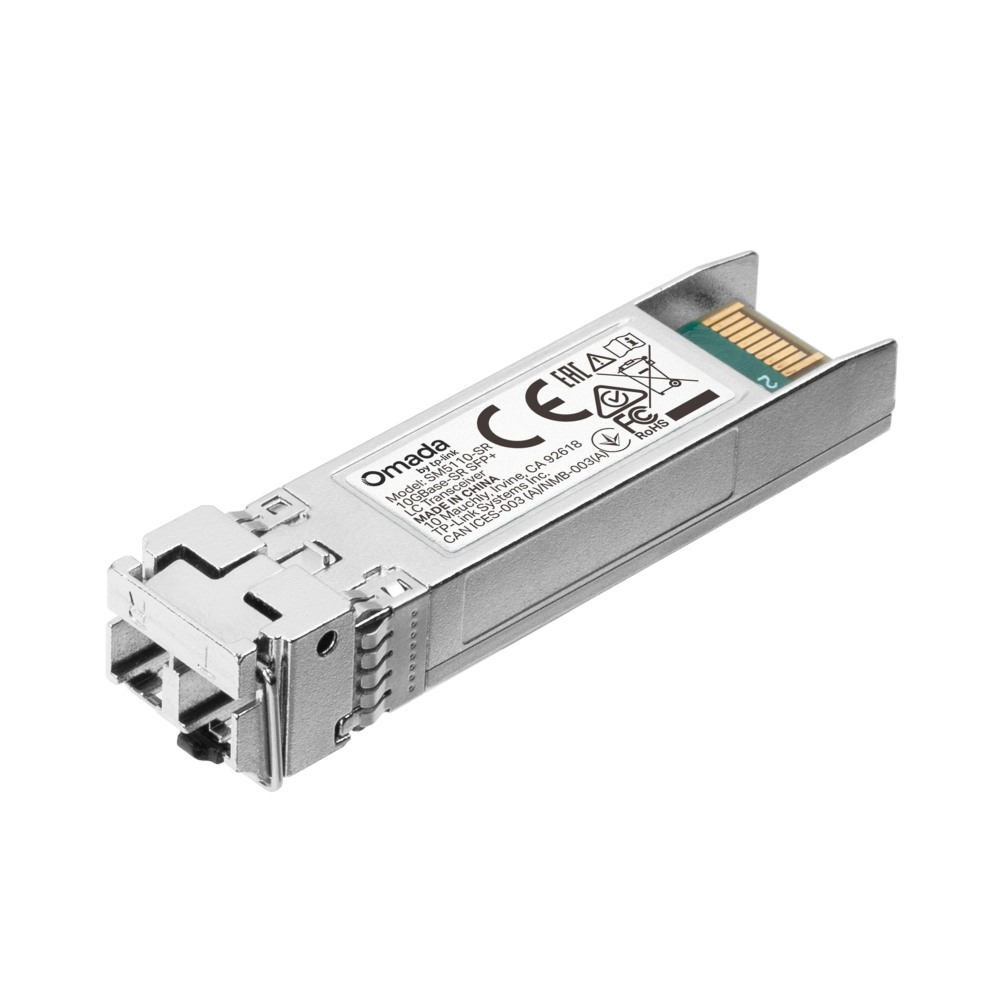
Pluggable optical modules for compatible switches, routers and other networking equipment. Selection depends on supported data rates, fiber type, wavelength, optical budget and host compatibility.
Fiber Distribution Boxes & ODFs
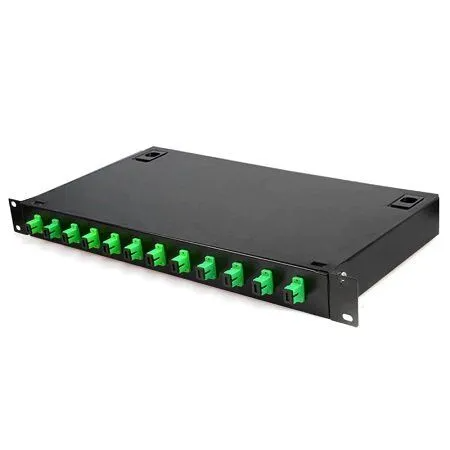
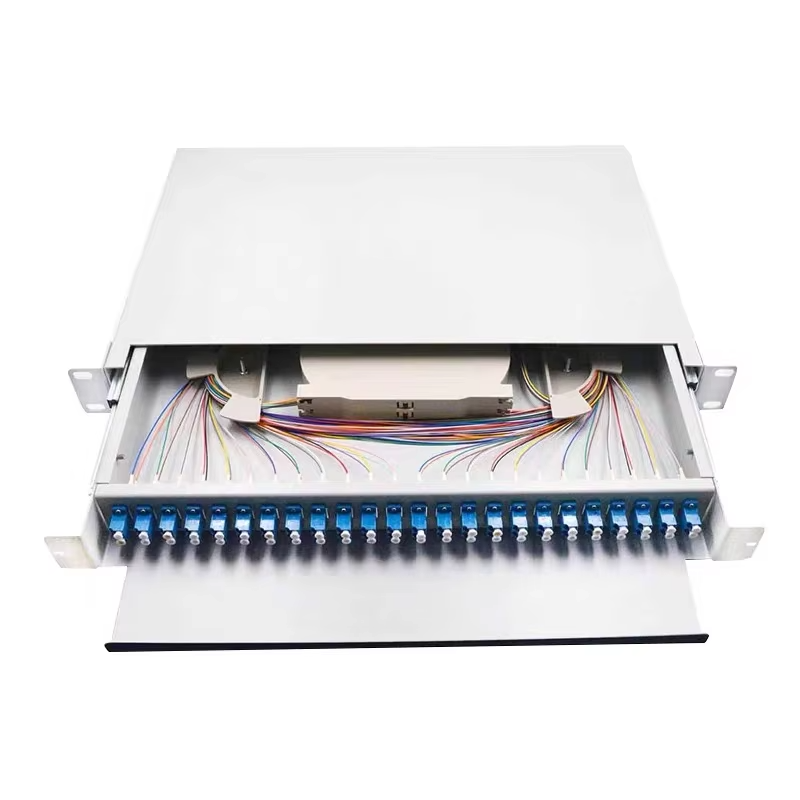
Distribution frames, termination boxes, splice trays, closures and patch panels for organising, terminating and protecting optical connections.
Fiber Installation Tools
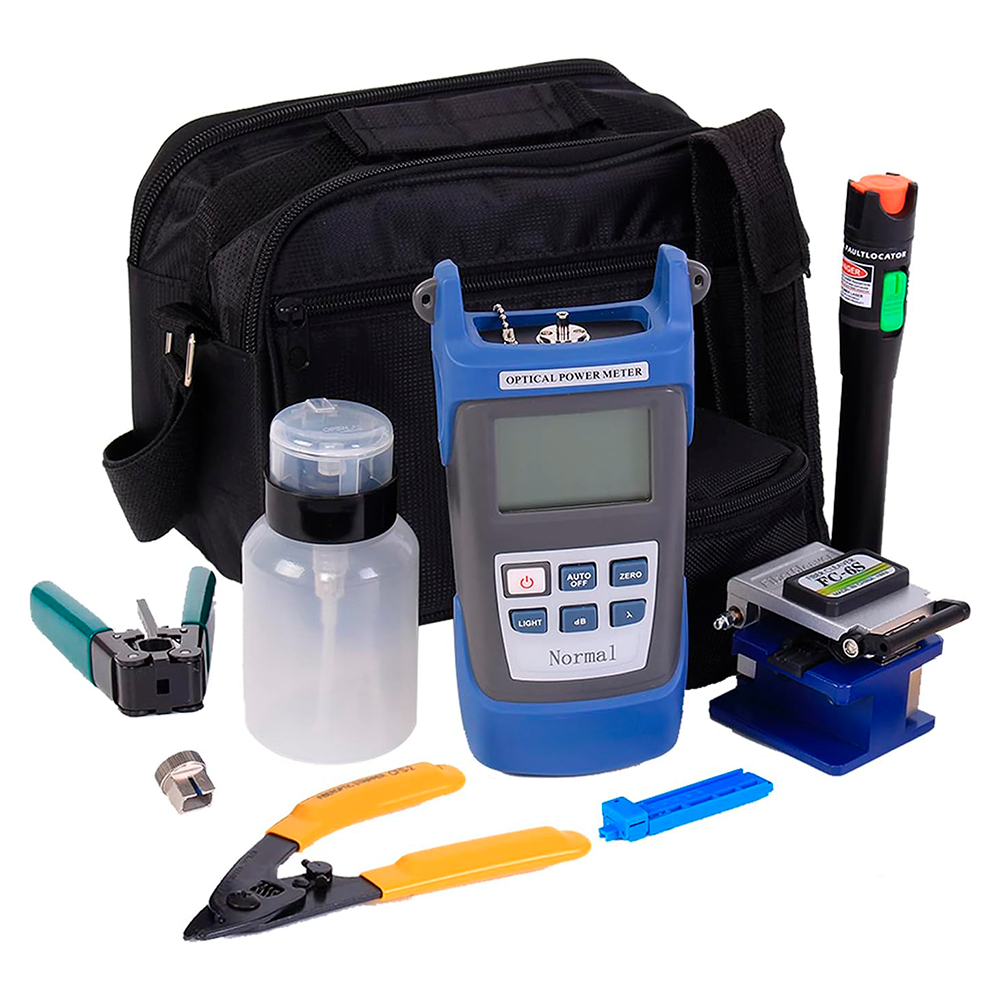
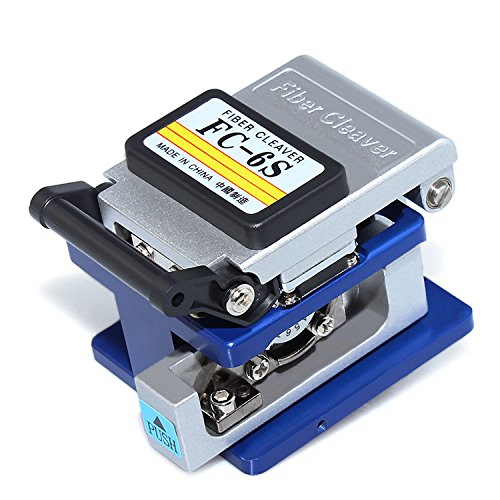
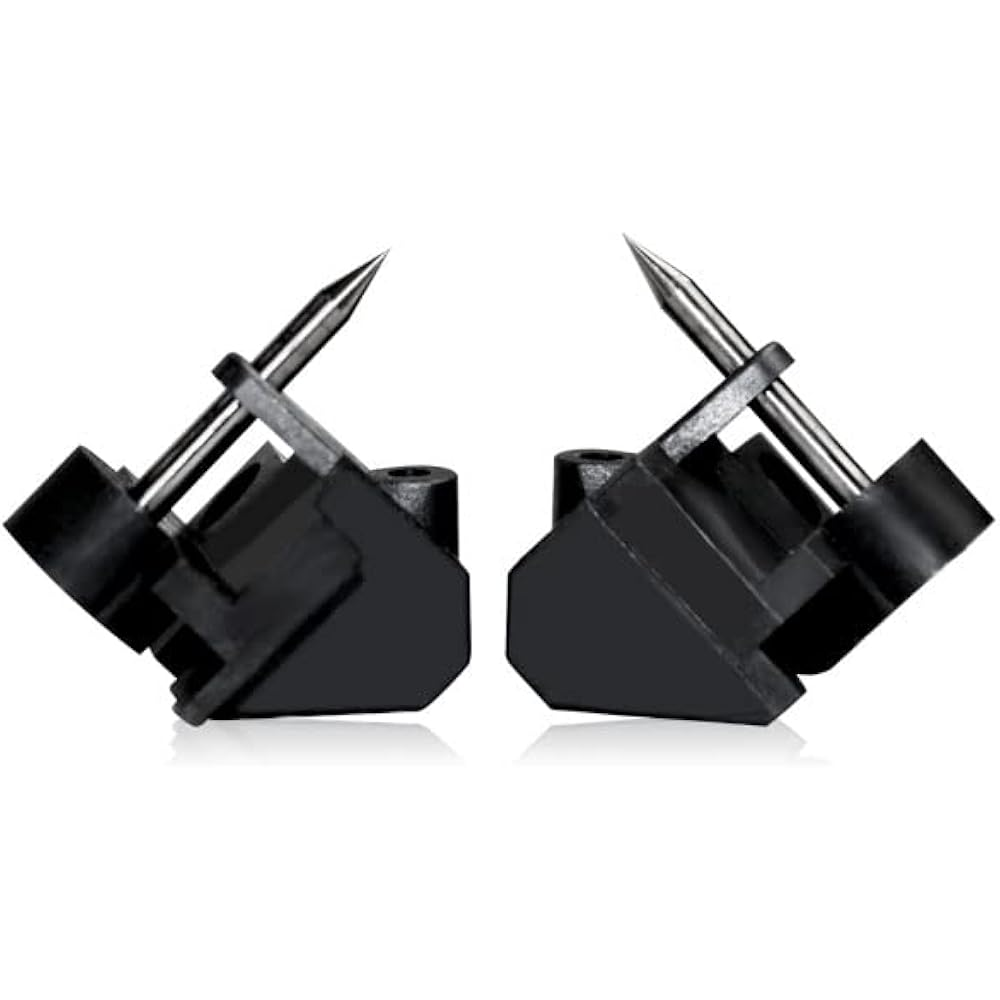
Fiber cleavers, strippers, cleaning accessories, splice protectors and other preparation tools used during installation and maintenance.
Fiber Optic Testing Equipment
Optical power meters, visual fault locators, OTDR instruments and inspection accessories for appropriate testing, commissioning and troubleshooting procedures.
Fiber Optic Equipment Comparison Guide
Different optical networking products serve different purposes. The following comparison helps identify the equipment needed for common fiber network installations.
| Equipment | Primary Function | Common Application | Selection Consideration |
|---|---|---|---|
| Fiber Optic Cable | Transmits optical signals | FTTH, backbone and network links | Fiber type, core count and construction |
| OLT | Provides network-side PON access | ISP broadband infrastructure | GPON/EPON standard and port capacity |
| ONT / ONU | Terminates compatible optical access connections | Residential and business broadband | OLT interoperability and service features |
| Fusion Splicer | Joins optical fibers | Fiber installation and repairs | Alignment system and supported fibers |
| SFP / SFP+ | Provides optical network interfaces | Switches and router uplinks | Speed, wavelength and compatibility |
| ODF / Distribution Box | Manages optical terminations | Fiber distribution points | Capacity and environmental rating |
| Optical Tester | Measures or investigates optical links | Commissioning and troubleshooting | Measurement functions and wavelengths |
Single-Mode vs Multimode Fiber Optic Cables
Single-mode and multimode fibers differ in their core dimensions, optical transmission characteristics and compatible equipment. The appropriate fiber depends on the network design and optical interfaces.
| Feature | Single-Mode Fiber | Multimode Fiber |
|---|---|---|
| Common Categories | OS1, OS2 | OM1, OM2, OM3, OM4, OM5 |
| Typical Core Size | Approximately 9 µm | 50 µm or 62.5 µm |
| Common Applications | FTTH, ISP and longer-distance links | Compatible enterprise and data centre links |
| Optical Interfaces | Compatible single-mode optics | Compatible multimode optics |
| Transmission Distance | Depends on the transceiver and link budget | Depends on fiber grade and transceiver |
Single-Mode or Multimode: Which Should You Choose?
Single-mode fiber is commonly used for FTTH and telecommunications networks, while multimode fiber is often used for compatible shorter-reach enterprise connections. Confirm the optical interface, required link distance and fiber standard before ordering.
Understanding GPON and EPON Fiber Networks
GPON and EPON are passive optical network technologies used in broadband access infrastructure. Both connect network-side OLT equipment to compatible optical terminals through an optical distribution network, but they use different standards and interoperability requirements.
| Feature | GPON | EPON |
|---|---|---|
| Standards Family | ITU-T G.984 | IEEE 802.3ah |
| Network Equipment | GPON OLT and compatible ONT | EPON OLT and compatible ONU |
| Common Application | FTTH and broadband access | Ethernet-based optical access |
| Distribution Network | Optical fiber and passive splitters | Optical fiber and passive splitters |
| Interoperability | Requires supported GPON equipment | Requires supported EPON equipment |
For product-specific options, browse our GPON OLT Equipment and EPON OLT Equipment categories.
Fiber Optic Fusion Splicing Machines & Installation Tools
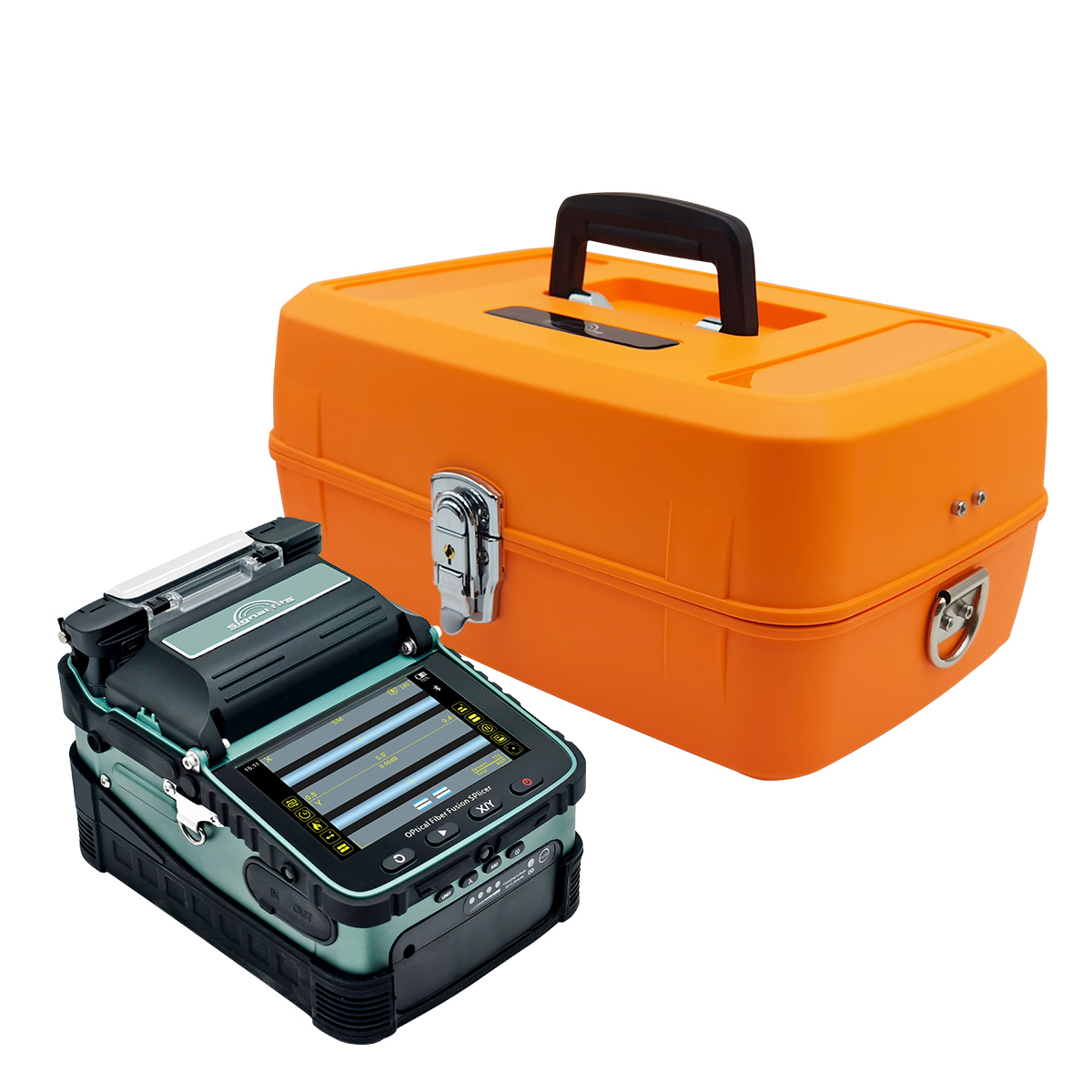
Fusion splicers are used to join optical fibers during FTTH deployment, telecommunications construction and fiber network repairs. The correct machine depends on installation volume, fiber type, alignment method and working conditions.
Core Alignment Fusion Splicers
Use imaging and alignment systems to position fiber cores before fusion. Suitable models are commonly used for professional fiber installations requiring consistent splice quality.
Cladding Alignment Fusion Splicers
Align optical fibers using their outer cladding geometry. They may offer a practical option for compatible routine fiber installations.
Fiber Cleavers & Strippers
Prepare optical fibers for splicing by removing compatible coatings and producing suitable cleaved fiber end faces.
Splice Protection & Cleaning Accessories
Splice sleeves, suitable cleaning materials and preparation accessories help protect completed joints and maintain optical connection quality.
Fiber Optic Connectors, Patch Cords & Pigtails
Fiber connectors are selected according to the equipment interface, fiber type and end-face polishing requirements. Common connector families include SC, LC, FC and ST, although suitability depends on the specific installation.
| Connector Type | Characteristic | Typical Use |
|---|---|---|
| SC | Push-pull connector | FTTH and optical distribution |
| LC | Compact connector | SFP modules and dense patching |
| FC | Threaded connector | Selected optical test systems |
| ST | Bayonet-style connector | Selected legacy fiber installations |
| UPC | Ultra Physical Contact polish | Compatible UPC optical interfaces |
| APC | Angled Physical Contact polish | Compatible low-reflection interfaces |
Important Connector Compatibility Advice
Do not directly mate APC and UPC fiber connectors. Their different polishing geometries can cause excessive optical loss and possible connector damage. Always verify connector type and polish before installation.
Fiber Optic Equipment Brands in Kenya
Fiber networking products are available from several manufacturers. Product ranges vary by technology, model and availability, so buyers should confirm the specifications of individual products before ordering.
Huawei
Selected optical access equipment and compatible ONT solutions for broadband networking applications.
Ubiquiti
Optical transceivers and compatible fiber networking equipment for selected network infrastructure deployments.
TP-Link
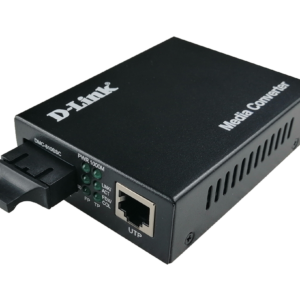
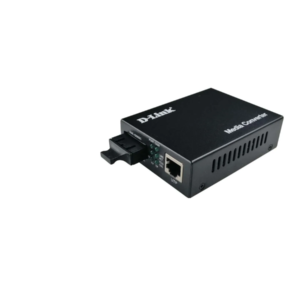
Selected fiber media converters, optical modules and networking products for compatible business networks.
D-Link
Selected optical networking modules, media converters and related network connectivity equipment.
MikroTik
Compatible optical interfaces, transceivers and networking hardware for selected router and switch installations.
Signal Fire, GrandLink & Comptyco
Selected fiber fusion splicing machines, preparation tools and installation accessories for technicians and contractors.
Fiber Optic Equipment for Different Applications
Internet Service Providers
Optical access equipment, fiber distribution hardware, cables and installation tools for compatible broadband network deployments.
FTTH Residential Installations
Drop cables, optical terminals, connectors and termination accessories for connecting residential premises to supported fiber networks.
Enterprise & Campus Networks
Fiber backbone cabling, optical modules, patch panels and distribution accessories for connecting buildings and network rooms.
Data Centres & Telecommunications
Compatible optical transceivers, structured fiber cabling, distribution frames and maintenance equipment for optical infrastructure.
Fiber Optic Equipment Prices in Kenya
Fiber optic equipment prices vary according to the manufacturer, equipment type, supported transmission capacity, fiber specifications, installation requirements and included accessories. Compare products within the same equipment category to assess value and compatibility.
| Product Category | Factors Affecting Price | What to Compare |
|---|---|---|
| Fiber Optic Cables | Core count, length and construction | Fiber standard and installation rating |
| OLT Equipment | PON port count, uplinks and management | Supported network architecture |
| ONT / ONU Equipment | Interfaces, Wi-Fi and service features | OLT compatibility |
| Fusion Splicers | Alignment technology and accessories | Supported fibers and working requirements |
| Optical Transceivers | Speed, wavelength and optical reach | Host compatibility and link budget |
| Distribution Hardware | Capacity, materials and protection | Mounting and environmental requirements |
| Testing Equipment | Measurement features and accuracy | Required testing procedures |
How to Choose Fiber Optic Networking Equipment
Identify Your Network Application
Establish whether the project involves FTTH, ISP infrastructure, enterprise connectivity, telecommunications or data centre networking.
Confirm Fiber & Connector Types
Check single-mode or multimode requirements, connector families, polishing types and compatible equipment interfaces.
Calculate Optical Requirements
Consider wavelength, optical power budget, link distance, splitter losses and relevant transmission specifications.
Plan Installation & Maintenance
Include suitable distribution boxes, splice protection, cable management, installation tools and testing requirements.
Fiber Optic Installation & Safety Considerations
Install fiber optic equipment according to the manufacturer’s instructions and applicable network design. Observe cable bending and pulling limits, protect exposed connectors and maintain suitable cable management.
Inspect and clean optical connectors using appropriate procedures before mating. Test completed connections with suitable equipment and retain commissioning information for maintenance and troubleshooting.
Fiber Optic Safety Advice
Never look directly into an optical fiber connector or transceiver. Some optical sources emit invisible radiation that may be hazardous. Handle fiber shards carefully and follow the relevant equipment safety procedures.
Frequently Asked Questions About Fiber Optic Equipment in Kenya
Where can I buy fiber optic networking equipment in Nairobi?
Rapidtech Networks Limited supplies fiber optic networking equipment and accessories online and from our Nairobi CBD office.
What fiber optic equipment do you supply?
Our range includes selected fiber optic cables, optical terminals, OLT equipment, patch cords, pigtails, transceivers, fusion splicers, distribution hardware and installation tools, subject to availability.
Do you sell fiber optic fusion splicing machines?
Yes. Customers can enquire about selected fusion splicers and compatible installation accessories. Confirm supported fiber types, alignment technology and included accessories.
What is the difference between GPON and EPON?
GPON and EPON are different passive optical access technologies. Each requires compatible OLT equipment and customer optical terminals.
Can a GPON ONT work with an EPON OLT?
Standard GPON and EPON interfaces are not interchangeable. The devices must support compatible optical access standards and provisioning requirements.
Do you supply single-mode and multimode fiber accessories?
Selected fiber accessories may be available for both technologies. Confirm the required fiber grade, connector configuration and optical equipment compatibility.
What is the difference between APC and UPC connectors?
APC connectors have angled end faces, while UPC connectors use a different polishing geometry. They should not be directly mated.
Do you sell SFP and SFP+ optical transceivers?
Selected optical modules are available within our networking range. Verify the required data rate, wavelength, fiber type and host compatibility.
Can I order fiber optic equipment in bulk?
Yes. Contact Rapidtech Networks Limited with the required product specifications, quantities and delivery location for a project quotation.
Do you deliver fiber optic equipment across Kenya?
Yes. We arrange countrywide delivery for eligible orders. Delivery costs and timelines depend on the product, destination and shipping arrangements.
Do fiber optic products come with a warranty?
Warranty coverage depends on the specific product and applicable manufacturer or supplier terms. Confirm the warranty conditions before purchasing.
Can you help me select fiber equipment for my network?
Yes. Our team can assist with fiber type, optical equipment selection, connector compatibility, installation accessories and project requirements.
Buy Fiber Optic Equipment from Rapidtech Networks Limited
Shop fiber optic cables, OLT and ONT equipment, SFP modules, fusion splicers, patch cords and fiber distribution accessories. Compare available brands, specifications and prices before purchasing.
We serve customers in Nairobi, Mombasa, Kisumu, Nakuru, Eldoret, Thika, Kiambu, Nyeri, Meru, Embu, Machakos, Kitale, Kericho, Kisii, Malindi and other towns throughout Kenya.
Our team provides guidance on fiber compatibility, GPON and EPON networks, optical transceivers, splicing equipment and installation requirements. Contact Rapidtech Networks Limited for assistance with your fiber optic networking needs.