
Accessories
Electronic Signature vs Handwritten Signature: Which is Better for Businesses?
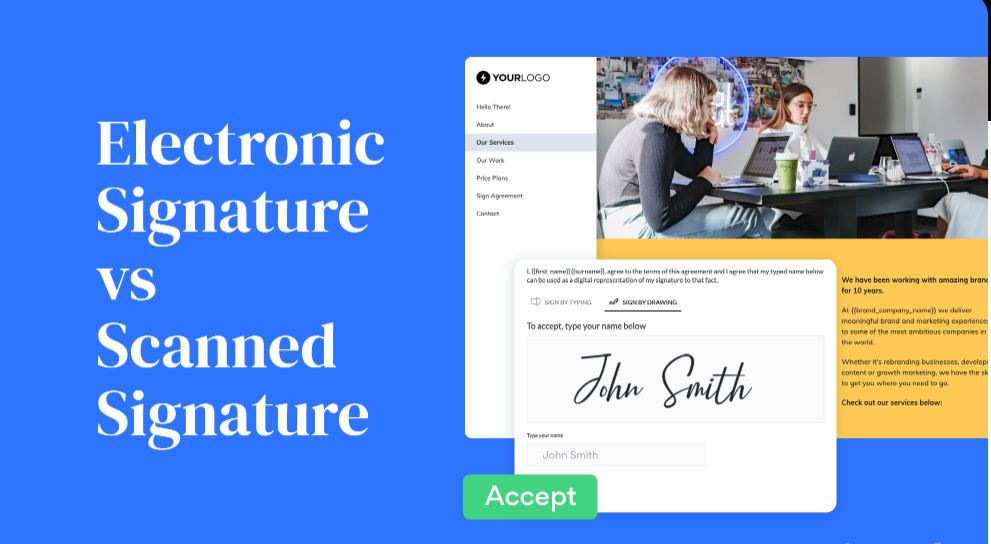
Electronic Signature vs Handwritten Signature: Which is Better for Businesses?
For many businesses in Kenya, the move from handwritten signatures to electronic signatures raises an important question — which one is actually better?
While handwritten signatures have been used for decades, electronic signatures are becoming the preferred choice for organizations that want faster, more efficient, and more reliable document workflows.
If you’re new to digital signing, you can start here: What is a Digital Signature Pad and How Does it Work?
What is a Handwritten Signature?
A handwritten signature is created by physically signing a document using a pen on paper. It is then stored as a physical record or sometimes scanned into a digital format.
This method has been widely used across industries such as banking, legal, and government institutions.
What is an Electronic Signature?
An electronic signature is captured digitally using devices such as signature pads. Instead of signing on paper, users sign electronically, and the signature becomes part of a digital document.
Advanced devices can also capture biometric data like pen pressure and movement, making the signature more reliable than a simple scanned image.
Explore available devices here: Wacom signature pads in Kenya
Electronic Signature vs Handwritten Signature
| Feature | Handwritten Signature | Electronic Signature |
|---|---|---|
| Speed | Slow (printing, signing, scanning) | Fast (instant digital signing) |
| Storage | Physical files | Digital storage |
| Security | Basic (easy to replicate) | Enhanced (biometric data capture) |
| Accessibility | Manual retrieval | Instant access |
| Cost | Printing and storage costs | Reduced operational costs |
| Efficiency | Time-consuming processes | Streamlined workflows |
Key Advantages of Electronic Signatures
1. Faster Document Processing
Electronic signatures eliminate the need for printing and scanning, allowing documents to be completed and processed instantly.
2. Improved Workflow Efficiency
Businesses can handle more transactions in less time, reducing delays and improving productivity.
3. Better Record Management
Digital documents are easier to store, organize, and retrieve compared to physical paperwork.
4. Enhanced Security
Advanced signature pads capture biometric data such as pressure and movement, helping create more reliable digital signature records.
5. Reduced Costs
Businesses save on paper, printing, storage, and administrative overhead.
When Do Handwritten Signatures Still Apply?
In some situations, handwritten signatures may still be used, especially where digital systems are not yet implemented. However, many organizations are gradually transitioning to electronic solutions to improve efficiency.
Real-World Applications in Kenya
Electronic signatures are widely used across different industries:
- Banking – transaction approvals and account opening
- Healthcare – patient consent and documentation
- Retail – purchase verification and receipts
- Logistics – proof of delivery
- Government – administrative processes
For example, banks are already using signature pads to improve security and speed up transactions. Learn more here: Why Banks in Kenya Use Signature Pads for Secure Transactions
Choosing the Right Signature Pad
If you’re considering switching to electronic signatures, choosing the right device depends on how your business captures signatures daily.
- Wacom STU-430 – Best for high-volume environments
- Wacom STU-530 – Ideal for customer-facing interactions
- Wacom STU-540 – Suitable for advanced workflows
Compare these models here: Best Signature Pads in Kenya (2026)
You can also read our full guide here: Digital Signature Pads Buying Guide Kenya (2026)
Where to Buy Signature Pads in Kenya
You can purchase genuine Wacom signature pads from Rapidtech Networks Limited, a trusted supplier of digital signing solutions in Kenya.
Browse all models here: Wacom signature pads in Kenya
Why Choose Rapidtech Networks Limited
- Genuine Wacom signature pads
- Expert advice based on your workflow
- Support for integration and setup
- Reliable after-sales support
- Nationwide supply across Kenya
Final Thoughts
While handwritten signatures still exist, electronic signatures offer clear advantages in speed, efficiency, and document management.
For businesses looking to improve operations and reduce paperwork, switching to digital signature solutions is a practical step forward.
The key is choosing the right device based on how your business operates daily.
