
Networking
What Causes High Splice Loss in Fiber Optic Networks?
Jun
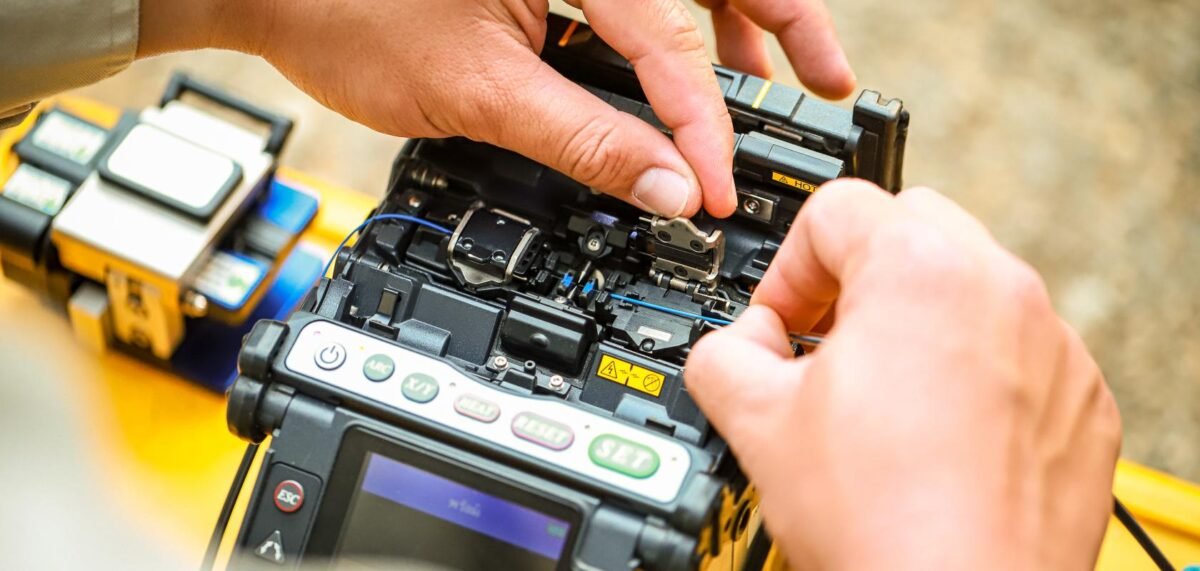
High splice loss is one of the most common problems encountered in fiber optic networks. Whether you are deploying FTTH infrastructure, maintaining ISP networks, installing CCTV fiber systems, or working on telecom backbone routes, excessive splice loss can reduce signal quality, increase attenuation, create unstable links, and generate customer complaints.
A fusion splice is designed to join two optical fibers with minimal signal loss. Under normal conditions, a professional fusion splicer should produce a splice loss of approximately 0.02dB or lower for single-mode fiber. However, several factors can increase loss and negatively affect network performance.
This guide explains the most common causes of high splice loss, how to identify them, and what technicians can do to reduce their impact during fiber optic installations.
If you are new to fusion splicing, first read our previous guide: Fiber Fusion Splicer Buying Guide for Contractors. You can also browse our complete range of Fiber Optic Splicing Machines.
What Is Splice Loss?
Splice loss refers to the amount of optical signal power lost when two fiber ends are joined together. Every splice introduces some level of attenuation, but excessive splice loss can reduce overall network performance and affect communication quality.
When splice loss becomes too high, technicians may experience:
- Weak optical signal levels
- Reduced network reliability
- Shorter transmission distances
- Poor internet performance
- Increased troubleshooting requirements
- Customer service complaints
Why Low Splice Loss Matters
Fiber optic networks rely on light transmission. Every splice introduces some signal loss. While a single poor splice may seem insignificant, multiple high-loss splices can accumulate and create serious performance problems across a network.
This is especially important for:
- FTTH deployments
- ISP access networks
- Telecom backbone infrastructure
- Enterprise fiber networks
- Data center interconnections
- CCTV fiber systems
Most Common Causes of High Splice Loss
| Cause | Impact on Splice Quality | Severity |
|---|---|---|
| Poor Fiber Cleaving | Causes misalignment and uneven fusion | Very High |
| Dirty Fiber Ends | Introduces contamination into the splice | Very High |
| Worn Electrodes | Produces unstable arc discharge | High |
| Poor Alignment | Creates inaccurate fiber positioning | Very High |
| Incorrect Arc Calibration | Leads to weak or excessive fusion | High |
| Fiber Mismatch | Causes optical discontinuity | Moderate |
| Environmental Conditions | Affects splicing consistency | Moderate |
Poor Fiber Cleaving
Poor cleaving is one of the biggest contributors to high splice loss. A fusion splicer can only perform well if the fiber ends are properly prepared. When the fiber cleave angle is uneven, the cores may not align correctly during fusion.
Signs of poor cleaving include:
- Repeated splice failures
- Visible gaps between fibers
- High estimated splice loss
- Frequent re-splicing
Using a precision cleaver such as the FC-6S High Precision Fiber Cleaver helps maintain consistent cleave quality and reduces splice loss.
Dirty Fiber Ends
Contamination is another major cause of poor splice performance. Dust, oil, moisture, or dirt on the fiber end can interfere with the fusion process and increase attenuation.
Technicians should always:
- Clean fibers before cleaving
- Use lint-free wipes
- Use high-purity isopropyl alcohol
- Avoid touching prepared fiber ends
- Keep work areas clean
Worn Electrodes
Fusion splicer electrodes create the electric arc used during the fusion process. As electrodes wear out, arc performance becomes less stable and splice quality begins to decline.
Symptoms of worn electrodes include:
- Inconsistent splice results
- Higher splice loss
- Arc calibration errors
- Repeated splice failures
- Visible electrode damage
Replacing worn electrodes with genuine Signal Fire Replacement Electrodes helps restore stable arc performance.
Poor Fiber Alignment
Alignment errors occur when the fiber cores are not positioned correctly before fusion. This issue is more common when using low-quality equipment, damaged fiber, or improperly calibrated machines.
Modern core alignment fusion splicers help minimize alignment errors by automatically positioning fiber cores before splicing.
Examples include:
Incorrect Arc Calibration
Fusion splicers use an electric arc to melt and join fibers. If the arc is too weak or too strong, splice quality can suffer.
Many modern fusion splicers include automatic arc calibration features that adjust performance based on:
- Altitude
- Temperature
- Humidity
- Fiber type
Technicians should perform regular arc calibration according to manufacturer recommendations.
Fiber Type Mismatch
Not all optical fibers are identical. Different fiber types can have variations in core diameter, mode field diameter, and refractive index. When different fiber types are fused together, splice loss may increase.
Examples include:
- G652 to G657 fiber
- Single-mode to multimode fiber
- Different manufacturer fiber types
Environmental Conditions
Outdoor installation environments can affect splice quality.
Common environmental factors include:
- Wind
- Dust
- Rain
- Extreme temperatures
- Direct sunlight
Many professional fusion splicers are designed with dustproof and weather-resistant construction to reduce environmental impact.
How to Reduce Splice Loss
| Best Practice | Benefit |
|---|---|
| Use a precision cleaver | Improves cleave quality |
| Clean fiber thoroughly | Reduces contamination |
| Replace worn electrodes | Improves arc stability |
| Perform arc calibration | Optimizes fusion performance |
| Use quality fusion splicers | Improves alignment accuracy |
| Protect against wind and dust | Improves consistency |
Recommended Equipment for Low-Loss Splicing
Professional technicians seeking consistently low splice loss should consider:
- Signal Fire AI-9
- Signal Fire AI-10A
- Signal Fire AI-20
- Signal Fire AI-30
- FC-6S High Precision Fiber Cleaver
Frequently Asked Questions
What is considered good splice loss?
For single-mode fiber, a splice loss around 0.02dB or lower is generally considered excellent.
Can dirty fibers cause splice failure?
Yes. Contamination is one of the most common causes of poor splice quality and high splice loss.
How often should electrodes be replaced?
Most electrodes require replacement after several thousand arc discharges depending on usage and manufacturer specifications.
Does fiber cleaving affect splice loss?
Yes. Poor cleaving is one of the leading causes of high splice loss and failed splices.
Conclusion
High splice loss is usually caused by poor fiber preparation, contamination, worn electrodes, alignment issues, incorrect arc calibration, fiber mismatch, or environmental conditions. By understanding these causes and following proper installation procedures, technicians can achieve lower splice loss and more reliable network performance.
In the next guide we explain practical techniques for improving splice quality: How to Reduce Fiber Fusion Splicing Loss.

Pingback: Fiber Fusion Splicer Buying Guide for Contractors | Rapidtech Networks Limited