
Networking
Understanding Fiber Cleave Angles and Splice Quality
Jun
Fiber cleaving is one of the most overlooked yet critical stages of the fiber fusion splicing process. Even the most advanced fusion splicer cannot consistently achieve low splice loss if the fiber end faces are poorly prepared. One of the key factors that determines splice quality is the fiber cleave angle.
A proper cleave creates a flat and clean fiber end that allows the fusion splicer to align and join fibers accurately. Poor cleaving introduces gaps, angular offsets, and alignment problems that increase attenuation and reduce network performance. Understanding how cleave angles affect splice quality helps technicians achieve more consistent and professional fiber optic installations.
This article follows our previous guide on How to Reduce Fiber Fusion Splicing Loss. You can also explore our full range of Fiber Optic Splicing Machines.
What Is a Fiber Cleave Angle?
A fiber cleave angle refers to the angle created when the optical fiber is cut before fusion splicing. Ideally, the cleave should be as close as possible to a perfectly flat 90-degree cut. When the fiber end is properly cleaved, the two fiber cores align more accurately during fusion.
The greater the deviation from a flat cleave, the more difficult it becomes for the fusion splicer to create a low-loss splice. Excessive cleave angles often lead to poor alignment, increased attenuation, and unstable splice performance.
Why Cleave Quality Matters in Fusion Splicing
Fusion splicers rely on accurate fiber preparation. Before alignment and fusion can occur, the fiber ends must be clean, smooth, and properly cleaved. Even a high-performance core alignment splicer can produce poor results if the fiber preparation is inadequate.
A poor cleave can result in:
- Higher splice loss
- Misaligned fiber cores
- Weak fusion joints
- Repeated splice failures
- Increased installation time
- Reduced network reliability
How Cleave Angle Affects Splice Quality
| Cleave Condition | Impact on Splice Quality | Expected Result |
|---|---|---|
| Near-perfect cleave | Excellent alignment | Low splice loss |
| Minor angle deviation | Slight alignment correction required | Acceptable splice quality |
| Moderate angle deviation | Reduced alignment accuracy | Higher splice loss |
| Poor cleave angle | Severe alignment issues | Failed splice or excessive attenuation |
| Damaged fiber end | Unstable fusion process | High loss and unreliable connection |
Common Causes of Poor Cleave Angles
Several factors contribute to poor cleaving results. Understanding these causes allows technicians to improve fiber preparation and reduce splice loss.
Worn Cleaver Blade
Cleaver blades wear over time. As blade condition deteriorates, the cleaver becomes less capable of producing clean and consistent cuts.
Signs of blade wear include:
- Increasing splice loss
- Frequent splice failures
- Visible imperfections on fiber ends
- Inconsistent cleaving results
Incorrect Cleaver Operation
Even a good cleaver can produce poor results if it is used incorrectly. Improper fiber placement, excessive force, or failure to follow the manufacturer’s instructions can affect cleave quality.
Dirty Cleaver Components
Dust, debris, and fiber fragments can accumulate inside the cleaver and interfere with its operation. Routine cleaning helps maintain accuracy and consistency.
Damaged Fiber
Fibers that have been bent excessively, crushed, or otherwise damaged may not cleave properly regardless of the quality of the cleaver.
What Is Considered a Good Cleave Angle?
Professional fiber optic installations typically aim for cleave angles close to zero degrees. Modern precision cleavers are designed to consistently produce cleave angles around 0.5 degrees or lower under normal operating conditions.
Lower cleave angles generally result in:
- Improved alignment
- Lower splice loss
- Better fusion consistency
- Reduced rework
- Higher installation quality
The Role of Precision Fiber Cleavers
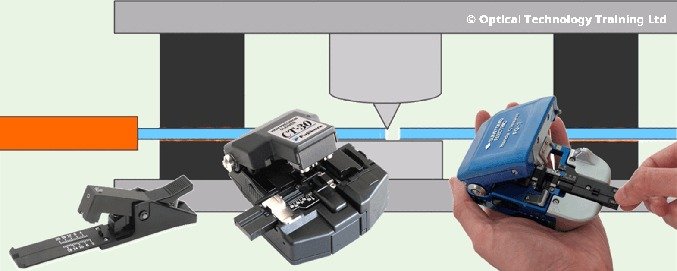
A precision cleaver is one of the most important tools in a fusion splicing kit. The quality of the cleave often determines the quality of the splice.
The FC-6S High Precision Fiber Cleaver is designed to deliver consistent cleaving performance and help technicians achieve lower splice loss across a wide range of fiber optic installations.
Benefits of using a professional cleaver include:
- Improved splice consistency
- Reduced splice loss
- Faster workflow
- Long blade life
- Better overall network performance
How Fusion Splicers Handle Cleave Imperfections
Modern fusion splicers can compensate for minor cleave imperfections through automatic alignment systems and advanced image processing. However, compensation has limits. Significant cleave angle errors still lead to poor results regardless of the sophistication of the splicer.
Professional fusion splicers such as the Signal Fire AI-20 Optical Fiber Fusion Splicer provide advanced alignment technology that helps reduce the impact of small cleaving variations.
Best Practices for Improving Cleave Quality
| Best Practice | Benefit |
|---|---|
| Use a precision cleaver | Improves cleave consistency |
| Inspect fiber before cleaving | Reduces preparation errors |
| Clean cleaver regularly | Maintains accuracy |
| Replace or rotate blades | Improves cut quality |
| Handle fibers carefully | Reduces fiber damage |
| Follow manufacturer procedures | Improves repeatability |
Relationship Between Cleave Quality and Splice Loss
Cleave quality directly influences splice loss. Technicians who struggle with consistently high splice loss should inspect their fiber preparation process before assuming the fusion splicer is at fault.
Many splice issues originate from:
- Poor cleaving
- Contaminated fibers
- Damaged fibers
- Improper stripping techniques
- Worn cleaver blades
By improving cleaving practices, technicians can often achieve better results without changing their fusion splicer.
Common Technician Mistakes
Using a Worn Blade Too Long
Many technicians continue using a worn blade after splice quality begins to decline. Regular blade rotation and replacement are important maintenance practices.
Skipping Fiber Inspection
Inspecting fiber ends before fusion helps identify poor cleaves and prevents wasted time during splicing.
Ignoring Cleaver Maintenance
Routine cleaning and maintenance are essential for maintaining consistent cleave quality.
Frequently Asked Questions
What is a good fiber cleave angle?
Professional cleavers typically aim for cleave angles around 0.5 degrees or lower for optimal splice performance.
Can poor cleaving increase splice loss?
Yes. Poor cleaving is one of the most common causes of increased splice loss and failed fusion splices.
Do expensive fusion splicers eliminate cleaving problems?
No. Advanced fusion splicers can compensate for minor imperfections, but they cannot fully overcome poor fiber preparation.
How often should a cleaver blade be replaced?
Blade life depends on usage, but technicians should rotate or replace blades according to manufacturer recommendations and splice performance trends.
Conclusion
Fiber cleave angles have a direct impact on splice quality, splice loss, and overall network performance. A clean, accurate cleave helps ensure proper alignment and reliable fusion results, while poor cleaving can undermine even the most advanced fusion splicer.
By using quality cleavers, maintaining blades properly, and following best practices, technicians can significantly improve splice consistency and reduce installation problems.
In the next guide, we explain the science behind the fusion process itself: How Fiber Fusion Splicers Work.

Pingback: How Fiber Fusion Splicers Work | Rapidtech Networks Limited