
Networking
Should You Buy or Rent a Fiber Fusion Splicer?
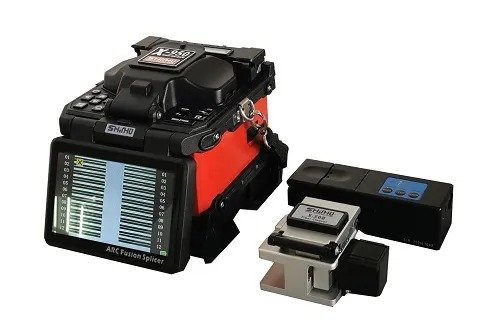
Jun
Purchasing a fiber fusion splicer is a significant investment for contractors, internet service providers, telecom companies, CCTV integrators, and organizations deploying fiber optic infrastructure. However, not every project requires ownership of a fusion splicer. In some situations, renting a machine may provide a more cost-effective solution than purchasing one outright.
The decision to buy or rent depends on several factors including project duration, workload frequency, maintenance responsibilities, equipment availability, and long-term business plans. Understanding the advantages and disadvantages of both options helps organizations make informed financial and operational decisions.
This guide follows our previous article on Fiber Fusion Splicer Price Guide in Kenya 2026. You can also explore our full range of Fiber Optic Splicing Machines.
Why This Decision Matters
A fusion splicer is one of the most expensive tools in a fiber optic installation toolkit. While ownership offers long-term benefits, renting may be more practical for occasional projects or short-term deployments.
Making the wrong decision can lead to:
- Higher project costs
- Reduced profitability
- Equipment underutilization
- Maintenance burdens
- Operational inefficiencies
Evaluating both options carefully helps maximize return on investment.
Buy vs Rent Comparison
| Factor | Buying | Renting |
|---|---|---|
| Initial Cost | Higher | Lower |
| Long-Term Cost | Lower over time | Can become expensive |
| Availability | Always available | Depends on rental stock |
| Maintenance Responsibility | Owner responsible | Rental provider responsible |
| Project Flexibility | High | Limited by rental period |
| Asset Ownership | Yes | No |
| Suitable for Frequent Use | Excellent | Poor |
| Suitable for One-Off Projects | Less Ideal | Excellent |
Advantages of Buying a Fusion Splicer
Immediate Equipment Availability
When you own a fusion splicer, it is always available when needed. There is no need to check rental availability or wait for equipment delivery.
This is particularly important for:
- ISP maintenance teams
- Telecom contractors
- Emergency repairs
- FTTH deployment companies
Lower Long-Term Costs
For organizations performing regular fiber work, purchasing a fusion splicer is often more economical than repeated rental payments.
The more frequently the equipment is used, the lower the effective cost per project becomes.
Better Return on Investment
Contractors and service providers can recover equipment costs through multiple projects over time. After sufficient utilization, the machine effectively becomes a revenue-generating asset.
Equipment Familiarity
Technicians become familiar with their own equipment, improving efficiency, reducing errors, and simplifying maintenance procedures.
Advantages of Renting a Fusion Splicer
Lower Initial Investment
Renting avoids the large upfront cost associated with purchasing a professional fusion splicer.
This can be useful for:
- Small contractors
- New businesses
- Temporary projects
- Organizations testing fiber services
Access to Advanced Equipment
Rental options sometimes allow users to access high-end fusion splicers that would otherwise be too expensive to purchase.
Reduced Maintenance Responsibility
Maintenance, calibration, and repairs are often handled by the rental provider, reducing operational responsibilities.
Ideal for Short-Term Projects
For projects lasting only a few days or weeks, renting may provide a practical alternative to purchasing.
When Buying Makes More Sense
| Situation | Recommendation |
|---|---|
| Regular FTTH Installations | Buy |
| ISP Deployment Teams | Buy |
| Telecom Contractors | Buy |
| Frequent Fiber Maintenance | Buy |
| Emergency Response Teams | Buy |
Organizations performing ongoing fiber work typically benefit more from equipment ownership.
When Renting Makes More Sense
| Situation | Recommendation |
|---|---|
| One-Time Fiber Project | Rent |
| Short-Term Contract | Rent |
| Project Evaluation Phase | Rent |
| Budget Constraints | Rent |
| Occasional Fiber Work | Rent |
If fiber work is infrequent, renting can help avoid unnecessary capital expenditure.
Hidden Costs Buyers Often Overlook
When purchasing a fusion splicer, buyers should also consider supporting equipment and maintenance costs.
Examples include:
- Replacement electrodes
- Replacement batteries
- Fiber cleavers
- Power adaptors
- Calibration and servicing
- Cleaning supplies
These costs should be included when calculating total ownership costs.
Recommended Fusion Splicers for Ownership
For contractors and service providers planning long-term use, professional fusion splicers offer the best value.
Examples include:
- Signal Fire AI-9 Fiber Fusion Splicer
- Signal Fire AI-20 Optical Fiber Fusion Splicer
- Signal Fire AI-30 Optical Fiber Fusion Splicer
These models are suitable for professional deployment, ISP infrastructure, and telecom projects.
Accessories to Budget For
Ownership becomes more valuable when supported by the correct accessories.
Technicians should budget for:
These accessories help maximize uptime and improve long-term equipment performance.
Common Buying Mistakes
Buying Equipment Too Early
Some businesses purchase expensive fusion splicers before securing enough project volume to justify the investment.
Renting for Too Long
Organizations that repeatedly rent equipment often spend more over time than they would have spent purchasing their own splicer.
Ignoring Total Ownership Costs
Purchase price is only one part of the equation. Maintenance and consumables should also be considered.
Buy vs Rent Decision Matrix
| Your Situation | Best Option |
|---|---|
| Weekly Fiber Projects | Buy |
| Monthly Fiber Projects | Buy |
| One-Time Installation | Rent |
| Testing Fiber Business Opportunities | Rent |
| ISP Network Expansion | Buy |
| Telecom Maintenance Team | Buy |
Frequently Asked Questions
Is it cheaper to buy or rent a fusion splicer?
For frequent use, buying is generally more economical. For occasional projects, renting may be more cost-effective.
How many projects justify purchasing a fusion splicer?
The answer depends on project value and rental costs, but regular monthly fiber work usually supports ownership.
Do rental companies provide maintenance?
In most cases, maintenance remains the responsibility of the rental provider, although terms vary.
What is the biggest advantage of ownership?
Immediate equipment availability and lower long-term operating costs.
Conclusion
The decision to buy or rent a fusion splicer depends on project frequency, business goals, and available budget. Contractors, ISPs, and telecom operators performing regular fiber work generally benefit from ownership, while short-term projects may justify renting.
In our next guide, we compare manufacturers and product ecosystems in Best Fusion Splicer Brands for Network Contractors.

Pingback: Best Fusion Splicer Brands for Network Contractors | Rapidtech Networks Limited