
Networking
When Should Fusion Splicer Electrodes Be Replaced?
Jun
Fusion splicer electrodes are among the most important consumable components in any fiber fusion splicing machine. These small metal rods generate the electric arc that melts and joins optical fibers together. While they may appear insignificant compared to the fusion splicer itself, electrode condition has a direct impact on splice quality, splice loss, arc stability, and overall machine performance.
Over time, electrodes wear out through repeated use. As electrode condition deteriorates, fusion performance becomes less consistent and technicians may begin to experience increased splice loss, failed calibrations, poor arc stability, and unreliable splicing results. Understanding when electrodes should be replaced helps maintain professional splice quality and prevents unnecessary downtime in the field.
This article follows our previous guide on How Fiber Fusion Splicers Work. You can also browse our complete range of Fiber Optic Splicing Machines.
What Are Fusion Splicer Electrodes?
Fusion splicer electrodes are precision metal components that create the electric arc used during fiber fusion. The arc generates extremely high temperatures that melt the fiber ends and permanently join them together.
Without properly functioning electrodes, the splicer cannot generate a stable arc and the fusion process becomes unreliable.
Most professional fusion splicers use paired electrodes that are designed to operate for thousands of arc discharges before replacement becomes necessary.
Why Electrode Condition Matters
Electrodes directly affect the quality of the electric arc produced during fusion. As electrodes wear, contamination accumulates, or electrode tips become damaged, arc performance begins to deteriorate.
This can result in:
- Higher splice loss
- Failed splice attempts
- Unstable arc performance
- Poor fiber fusion
- Increased rework
- Reduced technician productivity
Typical Electrode Lifespan
Most fusion splicer manufacturers rate their electrodes for several thousand arc discharges. Actual lifespan depends on usage frequency, environmental conditions, maintenance practices, and splicer model.
| Electrode Condition | Expected Performance | Action Required |
|---|---|---|
| New Electrodes | Optimal arc performance | No action required |
| Moderate Usage | Stable performance | Routine monitoring |
| High Arc Count | Possible performance decline | Inspect regularly |
| Visible Wear | Inconsistent arc performance | Replace electrodes |
| Damaged Tips | High splice loss and failures | Immediate replacement |
Signs That Electrodes Need Replacement
Increasing Splice Loss
One of the earliest warning signs is an increase in splice loss despite using clean fibers and proper cleaving techniques.
If splice loss begins rising without any obvious explanation, electrode wear may be contributing to the problem.
Frequent Arc Calibration Errors
Modern fusion splicers regularly perform arc calibration to optimize performance. When electrodes become worn, calibration may fail or produce inconsistent results.
Repeated calibration errors should always trigger an electrode inspection.
Inconsistent Splicing Results
Technicians may notice that identical fibers produce different splice loss values from one splice to another. This inconsistency often indicates unstable arc performance caused by electrode deterioration.
Visible Electrode Damage
Physical inspection can reveal:
- Pitting
- Tip wear
- Contamination
- Discoloration
- Physical damage
Visible wear usually indicates that replacement is approaching or already required.
Frequent Splice Failures
When a splicer begins producing more failed splices despite correct preparation and alignment, electrode condition should be checked immediately.
Factors That Affect Electrode Life
Arc Frequency
The more frequently the splicer is used, the faster electrodes wear. Contractors and ISP technicians performing high volumes of splicing will typically replace electrodes more frequently than occasional users.
Environmental Conditions
Dust, humidity, temperature fluctuations, and outdoor work environments can accelerate electrode wear and contamination.
Poor Maintenance Practices
Failure to perform regular cleaning and calibration may shorten electrode lifespan and reduce performance consistency.
Fiber Type and Project Volume
Large projects involving hundreds or thousands of splices naturally place greater demand on electrode systems.
How to Extend Electrode Life
| Maintenance Practice | Benefit |
|---|---|
| Perform Arc Calibration | Maintains stable fusion performance |
| Keep V-Grooves Clean | Reduces contamination |
| Inspect Electrodes Regularly | Detects wear early |
| Store Equipment Properly | Reduces environmental damage |
| Use Genuine Replacement Parts | Maintains manufacturer performance standards |
Why Genuine Replacement Electrodes Matter
Using low-quality replacement electrodes may reduce arc stability and negatively affect splice quality. Genuine replacement electrodes are manufactured to meet the performance specifications of the original equipment.
For Signal Fire users, genuine Signal Fire Replacement Electrodes help maintain reliable arc performance and consistent splice quality.
Compatible Fusion Splicers
Replacement electrodes are commonly used with:
- Signal Fire AI-5
- Signal Fire AI-6A+
- Signal Fire AI-9
- Signal Fire AI-10A
- Signal Fire AI-20
- Signal Fire AI-30
Always verify compatibility before installing replacement components.
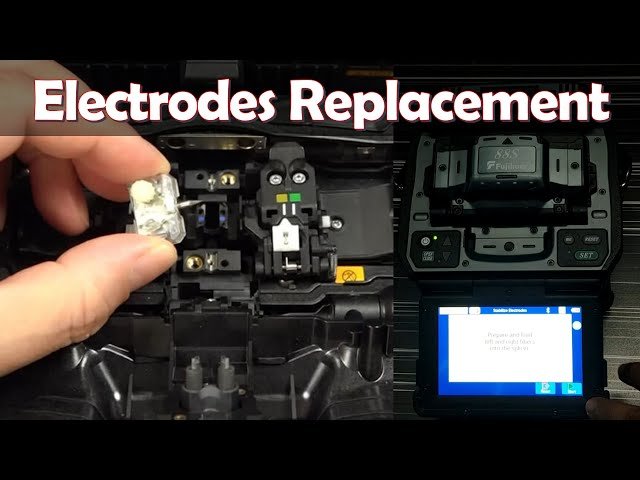
Electrode Replacement Procedure
While procedures vary by manufacturer, the general process includes:
- Power off the fusion splicer
- Open the electrode compartment
- Remove the old electrodes carefully
- Install new electrodes according to manufacturer instructions
- Perform electrode stabilization
- Run arc calibration
- Verify splice performance
Following the correct procedure helps ensure optimal performance from the new electrode set.
Common Mistakes Technicians Make
Waiting Too Long to Replace Electrodes
Many technicians continue using electrodes long after performance begins to decline. This often leads to unnecessary splice loss and project delays.
Ignoring Calibration Warnings
Repeated arc calibration failures should never be ignored because they often indicate electrode wear or contamination.
Using Non-Genuine Components
Low-quality replacement electrodes may save money initially but often reduce overall fusion performance.
When Should Contractors Keep Spare Electrodes?
Professional contractors, ISPs, and telecom technicians should always carry spare electrodes, particularly during:
- Large FTTH deployments
- ISP projects
- Telecom maintenance
- Remote installations
- Emergency restoration work
Having replacement electrodes available prevents unnecessary downtime and allows technicians to continue working when performance begins to decline.
Frequently Asked Questions
How long do fusion splicer electrodes last?
Most electrodes are rated for several thousand arc discharges, depending on the manufacturer, operating environment, and maintenance practices.
What happens when electrodes wear out?
Worn electrodes can cause increased splice loss, unstable arc performance, failed calibrations, and inconsistent splice quality.
Can cleaning extend electrode life?
Yes. Proper maintenance and routine calibration help maximize electrode lifespan and maintain performance.
Should I replace both electrodes at the same time?
Yes. Electrodes are generally supplied and replaced as matched pairs to maintain consistent arc performance.
Conclusion
Fusion splicer electrodes are critical components that directly affect splice quality and network performance. Technicians should monitor electrode condition regularly, perform routine calibration, and replace electrodes when performance begins to decline.
Using genuine replacement electrodes and following proper maintenance practices helps ensure low splice loss, stable fusion performance, and reliable long-term operation.
In our next guide, we examine another critical maintenance topic: Fusion Splicer Battery Maintenance Guide.

Pingback: Fusion Splicer Battery Maintenance Guide | Rapidtech Networks Limited
Pingback: How Fiber Fusion Splicers Work | Rapidtech Networks Limited